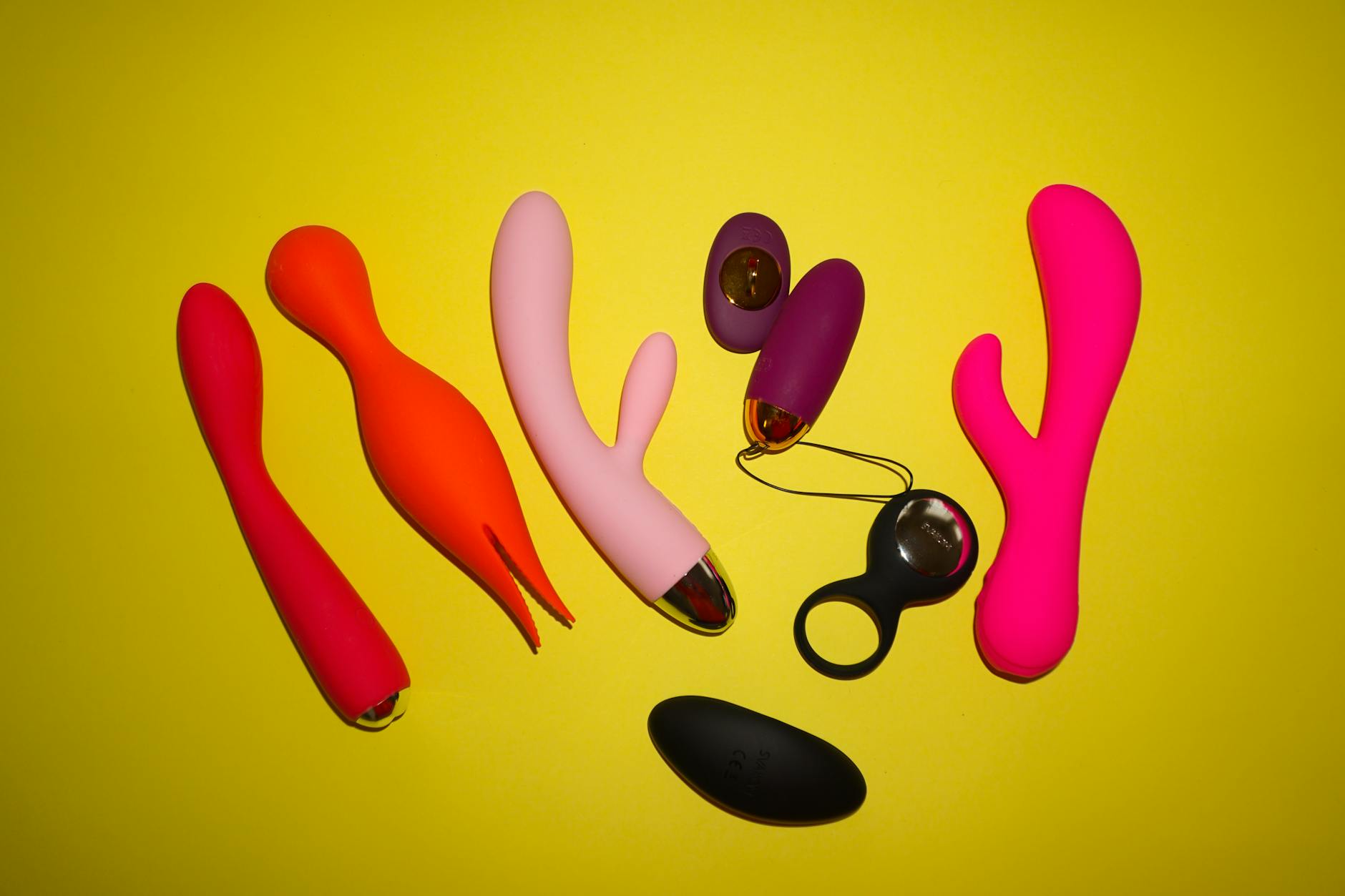
Let's name what's actually happening
Your partner won't talk about sex. Not won't have it. Won't talk about it. The moment you bring up desire, pleasure, or anything touching on how either of you actually feels in bed, the conversation dies. Maybe they change the subject. Maybe they get defensive. Maybe they just go quiet until you drop it. And you do drop it, because pushing feels worse than the silence.
Here's the thing: avoidance around sex talk isn't usually about the vibrator. It's about shame, fear, or something deeper that has nothing to do with you or your needs. A lemon vibrator isn't going to fix that. But it might give you a way in.
Why partners avoid talking about pleasure
There are a few main reasons your partner shuts down when pleasure comes up:
They were raised to think talking about sex is shameful. Some people grew up in environments where sex was never mentioned, or was only mentioned with shame attached. For them, saying the words out loud feels like breaking a rule from childhood. It's not rational. It just is.
They're worried they're not good at it. If your partner associates sex with performance anxiety, talking about it feels like opening a door to criticism. They might think bringing up pleasure means you're unhappy. They might be right. Or they might just be scared.
They've had a bad experience. Past rejection, trauma, or infidelity can make someone freeze when sex comes up. They don't want to be vulnerable. They don't want to want something that might hurt them again.
They think talking about it ruins the spontaneity. Some people genuinely believe that desire should just happen, and discussing it is clinical or kills the mood. This is a cultural story they've internalized, not the truth, but it feels true to them.
They're experiencing low desire and are embarrassed. If your partner's libido has dropped due to stress, medication, depression, or just life, they might avoid the conversation because they're ashamed they can't meet you halfway.
None of these mean you should suffer in silence. They mean you need a different strategy.
Separate the vibrator from the conversation
Here's the trap: if you introduce a lemon clitoral vibrator while also trying to have a "we need to talk about our sex life" conversation, you've linked them. Your partner will hear the vibrator as evidence that something is wrong, that you're dissatisfied, that you're calling them out. That's a lot to put on a toy.
Instead, separate them completely.
First, the conversation happens without the vibrator in the room. Not all at once. Not forced. You're having small, specific conversations over time about what works and what doesn't. Not "we have a dead bedroom." More like "I noticed I tend to need more time to warm up than I used to" or "I like when you slow down before we finish." Observations, not accusations. You're teaching your partner that you can talk about sex without it being a referendum on them.
Second, once you've had a few small conversations and the temperature has dropped on shame, then you bring the vibrator in. Not as a solution to a problem you've identified. As an option. A curiosity. Something you want to try solo first, and maybe they'd like to watch or participate when you're both relaxed.
How to introduce a lemon vibrator without pressure
If your partner is conflict-avoidant about sex, the worst thing you can do is make the vibrator a confrontation. Here are three ways that work:
1. Mention it in a no-pressure moment, then drop it.
You're not trying to convince them. You're just planting a seed. "I ordered a vibrator. It's called a Lemon clitoral vibrator. I want to try it solo and see what works for my body. If you ever want to watch or join in, that's cool. No pressure either way." Then you move on. You don't wait for their response. You don't fish for permission. You stated a fact and a boundary, and you're done.
2. Let them stumble on it first.
Don't hide it, but don't hand it to them either. Put it somewhere you'd reasonably keep intimate things. If they find it, they find it. If they ask about it, you answer honestly and simply. You're not ashamed. You're not defensive. That lack of drama sometimes dissolves their shame faster than any conversation.
3. Invite them to research with you, no strings.
If your partner is cerebral or anxious, sometimes information helps. You might say, "I've been reading about why some people enjoy lemon vibrators. Want to read the article with me?" You're not asking them to want a vibrator. You're asking them to join you in understanding it. That's lower stakes.
What to do if they react badly
Some partners will get defensive. "Are you saying I'm not enough?" "Why do you need that?" "That's weird." Here's the hard part: their discomfort is real, and also, not your problem to solve by staying small.
You can be kind and firm at the same time. "I like exploring my body and my pleasure. That's separate from what we do together. I'm not asking you to participate. I'm telling you what I'm doing." And then you do it. Not to punish them. Because your pleasure matters, and you don't get to wait for permission.
Most of the time, when a partner sees you're not backing down and also not pushing them, something shifts. You're not begging. You're not ashamed. You're just taking care of yourself. That's often more powerful than any conversation.
Using a lemon vibrator solo while they adjust
If your partner is slowly coming around, start solo. Here's why: it gives you data about what you like without any pressure to perform for them or watch their reaction.
Take time. Fifteen to twenty minutes. Use the lower settings on a lemon vibrator first. Pay attention to what patterns feel good, what speeds you prefer, how your body responds when you're not worrying about anyone else. That information is gold. When your partner eventually wants to be involved, you'll know exactly what works instead of guessing.
You can also share what you learn. "I figured out I like the pulsing pattern better than the steady buzz" is information, not criticism. It's you getting to know yourself.
The conversation that usually happens later
Once your partner has watched you use a lemon vibrator once or twice, or even just knows you're doing it and you're still happy and still want them, something usually softens. The vibrator stops being scary. It's just a thing you do.
Now the conversation can actually happen. "I like this. It helps me know what I want." "When we're together, I'd like to try using it sometimes." "I like when you watch." These are facts about you, not complaints about them.
Some partners will want to participate. Some will never be comfortable with vibrators, and that's their boundary. But at least you'll know, and you won't be pretending you don't want what you want.
When avoidance is a bigger problem
If your partner avoids talking about sex, money, feelings, conflict, basically everything hard. That's not about the vibrator. That's a relationship pattern that might need a couples therapist. A lemon clitoral vibrator won't fix relationship avoidance. But it might be the thing that finally makes you both admit something needs to change.
Sometimes the vibrator is just the opening. "We can't even talk about this. I need us to be able to talk about this." And that's the real conversation.
The actual point
You deserve pleasure. You deserve to explore what feels good without shame or apology. Your partner's discomfort with talking about sex is their work to do, not your reason to stay silent. A lemon vibrator is just a tool. The real work is you deciding that your pleasure matters enough to have this conversation, with or without their participation.
Start small. Be patient. Don't back down. And remember. They might surprise you.
Frequently asked questions
Can I use a lemon vibrator if my partner doesn't know?
Technically, yes. Your body is yours. But if you're hiding it out of shame rather than privacy, that's worth examining. And if your relationship is so controlled that you can't have privacy around your own pleasure, that's a bigger issue than the vibrator.
What if my partner thinks vibrators mean I don't want them?
That's their belief to unpack. You can say, "A vibrator is about my body, not about you. I can want both." But you can't make them believe it. You can only live it. Keep wanting them. Keep having sex with them. Use the vibrator solo. Over time, the evidence might shift their thinking.
How long should I wait before introducing the vibrator?
There's no formula. If you've had a few small conversations about pleasure without a huge blow-up, you're probably ready. If every time sex comes up they shut down hard, wait another month or two. Let the temperature cool. But don't wait forever waiting for permission that might never come.
Is it selfish to want pleasure if my partner isn't interested?
No. Taking care of your body and your desires is not selfish. Ignoring your needs to manage someone else's discomfort is teaching them that your pleasure doesn't matter. It does.
What if I introduce the vibrator and they leave?
If your partner would end the relationship because you want to explore your own body, that's information about whether this relationship serves you. That's sad, but it's important information.
Can a lemon vibrator really help us talk about sex?
Not by itself. But it can be a concrete thing to point to when you say, "I want us to talk about what we actually want." It makes the conversation less abstract. It makes it real. Sometimes that helps.