Let's talk about the part nobody prepares you for
Pelvic surgery changes a lot. What doesn't change is your right to pleasure. Between you and me, most surgical guidelines assume you'll just... not think about sex for weeks. That's not realistic, and it's not fair. What you actually need is honest information about timing, safety, and how clitoral vibrators like a lemon vibrator fit into your recovery arc.
I've worked with dozens of people rebuilding intimacy after hysterectomy, fibroid removal, bladder surgery, and other pelvic procedures. The pattern is always the same: nobody tells them what's safe, so they either white-knuckle through months of abstinence or they jump back in too fast and regret it. There's a middle path, and it starts with understanding what your surgery actually touched and how recovery works.
The timeline doctors don't explain
Here's what most surgical teams will tell you: no penetration for 6-8 weeks. What they mean is that your internal tissues need time to heal and your pelvic floor needs time to stabilize. What they often don't say is that clitoral stimulation is a different activity entirely.
Clitoral vibrators and lemon sexual toys work on the external vulva, away from incision sites and internal healing zones. That means your timeline for clitoral pleasure can actually start earlier than full penetrative sex, but it has conditions.
The first 2-3 weeks post-op are about rest, pain management, and letting tissues start closing. During this phase, your pelvic floor is inflamed and your nervous system is in shock. Introducing any kind of stimulation, even external, can trigger pain responses that set back your recovery. Wait. Your body needs this time.
Weeks 3-6 are different. If you're off heavy pain medication, your bleeding has mostly stopped, and your incisions are visibly healing, external clitoral stimulation becomes possible. The rule here is gentleness and observation. If anything triggers pain, pressure, or unusual bleeding, you stop immediately.
After the 6-week mark, most surgeons give the all-clear for penetration. By then, if you've been slowly reintroducing external pleasure, you have a sense of what your body can handle.
Why clitoral vibrators work better in early recovery
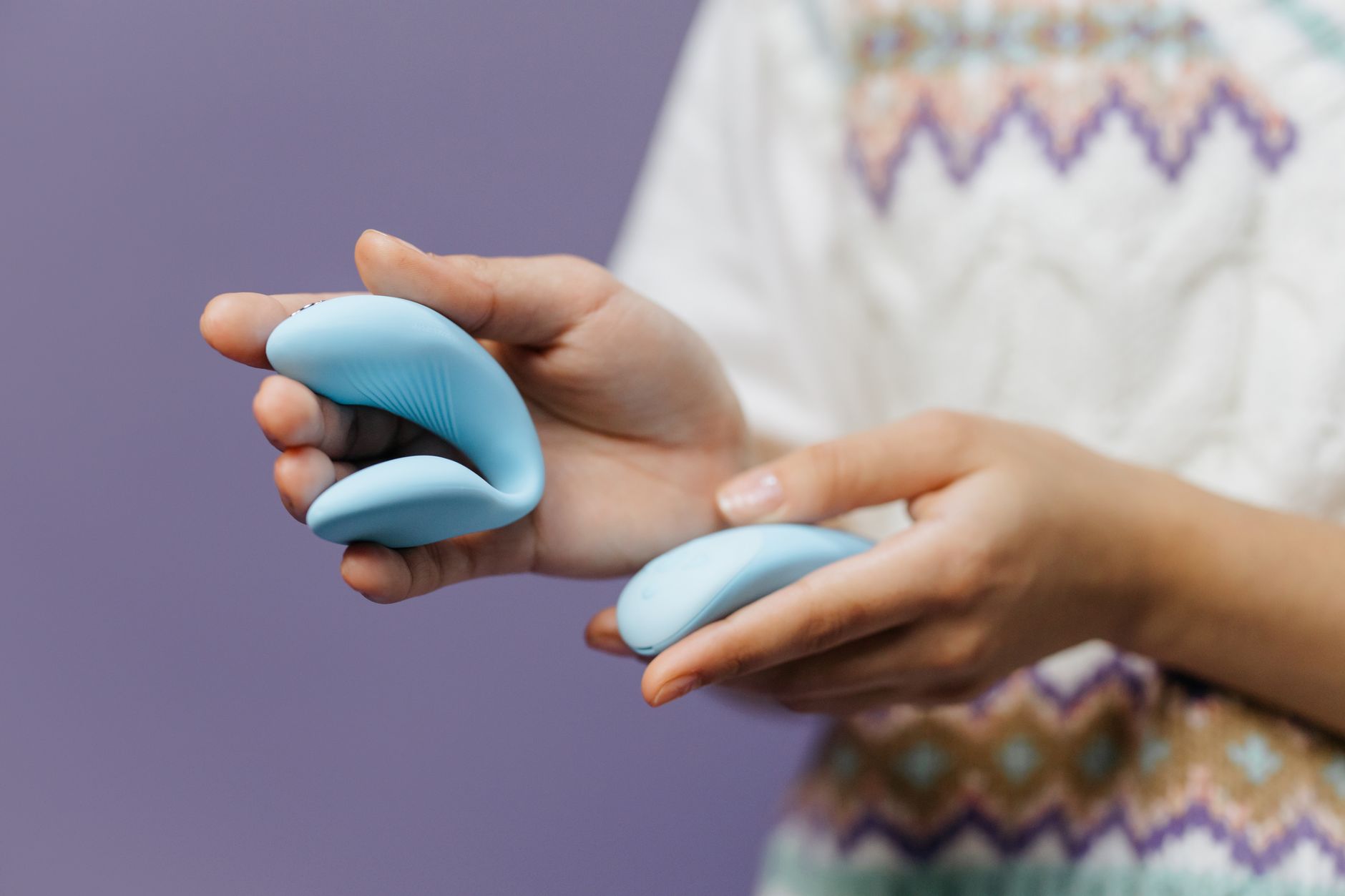
Three reasons a lemon vibrator is actually a smart choice during the pelvic surgery recovery phase.
First, you control the pressure completely. A lemon clitoral vibrator doesn't require insertion or internal pressure. You're managing exactly where the suction sits and how much sensation you want. That kind of control is psychologically huge when you're healing. It lets you stay connected to your own pleasure without triggering fear or pain.
Second, suction stimulation bypasses tender tissue. If your surgery involved the vaginal wall, cervix, or bladder, penetrative toys can feel wrong for months. Clitoral suction stimulation focuses entirely on the external clitoris, away from healing internal zones. This is why a lemon sucker can feel accessible when penetrative toys feel off-limits.
Third, the sensation builds gradually. Most lemon vibrators have progressive intensity settings. You can start at setting 1 or 2, which feels like a gentle pulse, not a jolt. This lets your nervous system reacquaint itself with pleasure in small, manageable doses. That pacing matters during recovery.
Starting slow, actually
Let's say you're at week 4 post-op and your body feels ready. Here's how I'd actually approach this.
Set aside 20 minutes when you're not tired, not stressed, and not watching the clock. Pain medication should be in your system if you still need it, but you should be alert.
Start fully clothed. Hold the lemon vibrator in your hand. Feel the weight. Turn it on at the lowest setting. Notice what the vibration feels like through the silicone, through the air, through your clothes. This is recalibration. Your nervous system needs a moment to remember what pleasure feels like.
If that feels fine, move forward. Remove lower clothing. Sit comfortably, fully supported. Bring the vibrator to the external clitoris very gently. Keep it on setting 1 or 2. You're not looking for an orgasm. You're looking for sensation without pain.
The first time, 2-3 minutes is enough. The goal is information, not climax. Does this feel good or does it trigger discomfort? Is there any unusual pain, pressure, or bleeding? Can you feel pleasure distinct from soreness or surgical sensation? Write this down if it helps. You're building a map of your recovery.
Over the next few sessions, if everything feels stable, you can gradually increase duration and intensity. Most people find they can add one minute and one intensity level every 2-3 sessions. This isn't rushed. It's deliberate.
What to watch for and what to avoid
Stop immediately if you feel any of these: sharp pain that's different from healing soreness, unusual bleeding, pressure sensation internally, swelling around your incisions, or anxiety that spirals into pain.
These aren't moral failures. They're signals that your body isn't ready yet. Respect that. Wait another week. Try again. There is no finish line here.
Avoid the urge to