How to Use a Lemon Vibrator When Medications Affect Arousal and Sensation
When your antidepressant, blood pressure pill, or hormone therapy changes how you feel pleasure, a clitoral vibrator like the Lemon isn't a workaround. It's a reset button.
Your doctor mentioned the side effects. Sexual dysfunction made the list, sandwiched between "dry mouth" and "may cause drowsiness." You nodded and filled the prescription anyway because the medication was solving something bigger. Then a few weeks in, you noticed: arousal takes longer. Or it doesn't come at all. Or sensation feels muted, like you're touching yourself through thick fabric.
This is real. It's not you. And it's not permanent.
SSRIs, beta-blockers, some birth controls, and certain thyroid medications all tinker with the dopamine and serotonin pathways your body uses for arousal. They also affect blood flow to the genitals and can dull neural sensitivity. The result is that your usual routine stops working. You feel broken. Your partner feels confused. You stop trying.
That's where a lemon vibrator changes the equation. Not because it's magic, but because it works within the new landscape of your body instead of fighting against it.
Think of arousal as a chain of dominoes. Medication doesn't remove any dominoes. It just slows down how fast the first one falls.
When you're on an SSRI, blood flow to your genitals is slower. Your nerve endings are still there, firing normally, but the volume of input they receive is quieter. Imagine the difference between someone whispering across the room and someone whispering in your ear. Same content, completely different registering.
Birth control and certain hormone therapies reduce testosterone, which is a major driver of responsive desire in everyone, regardless of what body you have. Without it, your brain has to work harder to reach that "yes, now I want this" moment.
Beta-blockers and some antidepressants also flatten emotional intensity, which sounds unrelated until you realize that arousal is partly emotional. If grief, joy, and anger all feel muted, so does lust.
The good news: your neural pathways haven't changed. Your body still knows how to orgasm. The sensation just needs to be louder.
Your old vibrator or hand stimulation relied on you generating arousal first, then adding external stimulation. When medication slows arousal, you get stuck in the waiting phase, frustrated, and abandon the attempt.
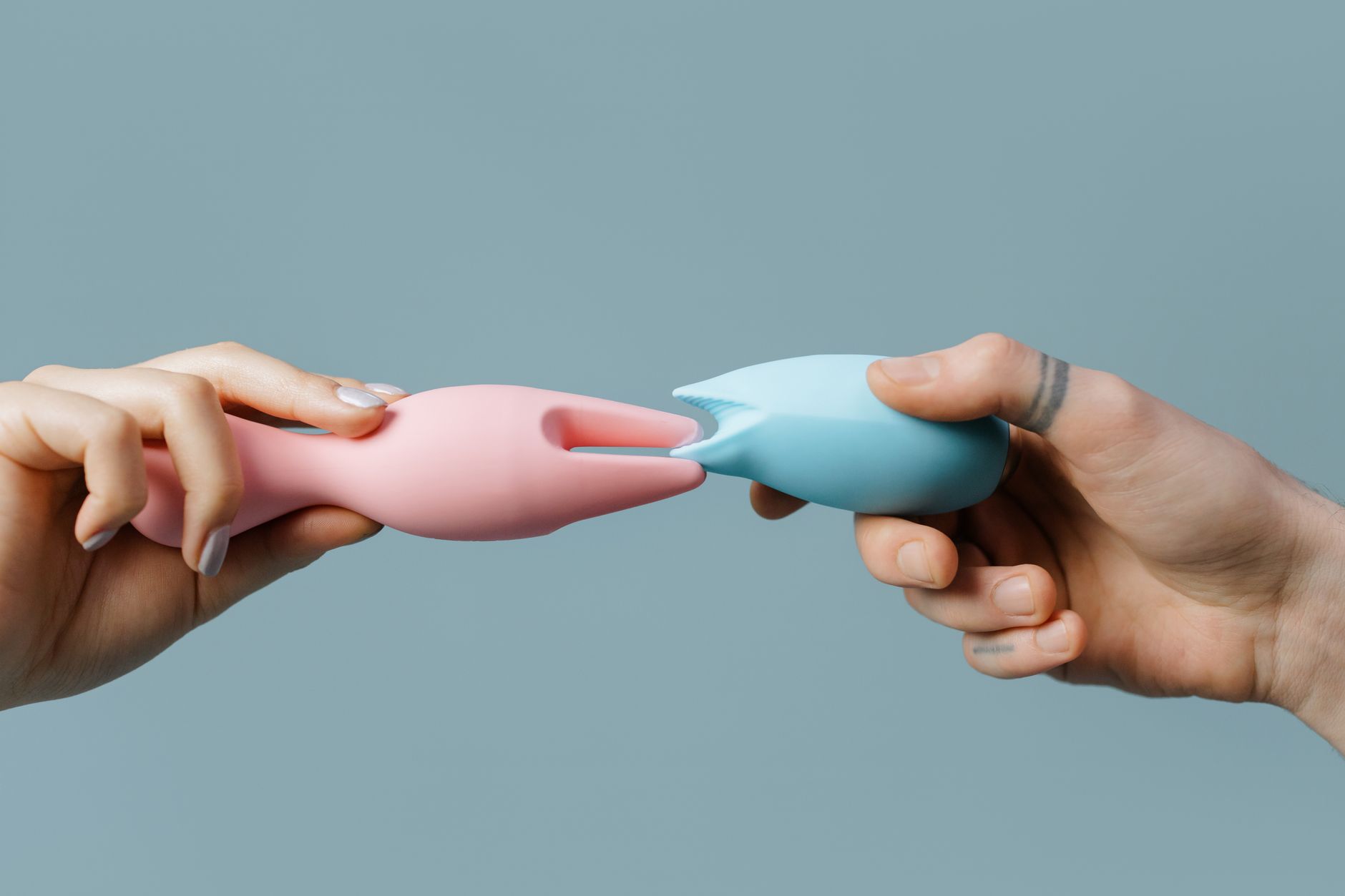
A lemon vibrator skips that step. The suction-and-release mechanism provides intense, consistent stimulation from the start, without you having to build momentum first. It's not just vibration. It's a sealed-cup motion that creates a sensation completely different from what your body was used to before medication.
This matters because sensation diversity matters. If your old technique felt like 60 percent of normal intensity, switching to a lemon vibrator feels like 90 percent. Not because the toy is miraculously stronger, but because you're stimulating the tissue in a new way.
If you used patterns 3 and 4 on your old vibrator, your instinct will be to jump straight there on a lemon vibrator. Don't. The suction sensation is different enough that what feels right varies. Begin on pattern 1 or 2, giving your body time to register the stimulus and respond. You'll likely find that you need less intensity overall because the sensation is more concentrated.
Build in longer warm-up time.
Medication isn't changing your capacity for pleasure. It's changing your timeline. Where you used to reach arousal in 5 minutes, you might need 20. This isn't a failure. It's information. Set aside the time. Use the first 10 minutes to be present with your body without the lemon vibrator. Touch yourself. Notice where you have sensation and where you don't. Then introduce the vibrator. The context shift alone signals to your brain that something good is happening.
Use lubricant even if you don't usually need it.
Medication-related decreased blood flow means less natural lubrication. Even if you feel aroused, the tissue might be drier than you expect. A good water-based lubricant reduces friction, making the suction sensation feel more responsive and less uncomfortable. This isn't weakness. It's adaptation.
Add external stimulation.
Some people find that when medication flattens sensation, combining the lemon vibrator with touch elsewhere helps. A partner touching your breasts, neck, or inner thighs while you use the lemon vibrator can provide enough additional input to help your brain recognize arousal. If you're alone, try touching your inner thighs or breasts at the same time, or using a second vibrator. Layering sensations compensates for the sensory muting.
Not all medication-related sexual side effects require stopping the medication. Many are dose-dependent. Lowering your dose by 25 percent might eliminate the side effect without reducing the therapeutic benefit. Some doctors will also shift your timing: taking the medication at night instead of morning, or spacing doses differently.
Other fixes exist that your doctor might suggest: adding a low-dose dopamine agonist, switching to a different medication in the same class that has fewer sexual side effects, or taking a drug holiday (skipping one dose weekly if medically safe). These conversations exist, and they matter, but they happen only if you ask.
Write down what you're experiencing before your appointment. "I can't orgasm" is different than "arousal takes 30 minutes and then orgasm feels weaker." Details help your doctor match the problem to a solution.
Once you've adjusted to a new medication or optimized your dose, using a lemon vibrator helps you relearn your body's arousal map. This sounds unnecessary but it's not. When sensation changes for months, your brain essentially updates what normal feels like. Retraining that expectation speeds up the transition.
Start solo. Ignore any pressure to reach orgasm quickly or prove something to a partner. The first month of using a lemon vibrator on medication is about gathering data: what patterns feel good now? How long does warm-up actually take? Does sensation build gradually or does pleasure arrive suddenly? When you know these answers, partnered sex becomes easier because you're working from a current blueprint, not an outdated one.
If you're in a relationship, the medication-induced changes to your pleasure affect both of you. Your partner might interpret slower arousal as lower desire for them specifically. That's the first conversation to have. Make clear that the change is chemical, not emotional.
The second conversation is practical. Tell your partner what you need: more time, a different kind of touch, use of the lemon vibrator as part of your shared sex life rather than as a replacement for it. Partners who feel included and informed are partners who stay engaged. Partners who have to guess give up.
You might also discover that while partnered sex feels more challenging on medication, solo pleasure with a lemon vibrator feels easier. That's okay. It's not a sign that something is wrong with your relationship. It's a sign that you're working with what your body is telling you right now.
If your medication is adjusted and sensation starts returning, you don't have to abandon the lemon vibrator. You're now using it from a place of choice rather than compensation. Some people find they actually prefer the sensation even when their baseline arousal returns to normal. That's worth paying attention to.
If you eventually switch medications or stop taking something, your arousal landscape will shift again. You might find that your old techniques feel satisfying again. You might discover that you prefer a hybrid approach: the lemon vibrator for certain moods, your hands for others. There's no wrong answer. The tools that work are the ones that work for you right now.
No. SSRIs and SNRIs affect sexual function in about 50 to 60 percent of people who take them. Blood pressure medications, some diabetes drugs, and antihistamines also have sexual side effects, but the percentage varies widely. Hormonal birth control affects roughly 15 percent of users. If you're on medication and haven't noticed changes, you're in the group it doesn't affect. If you have noticed, you're not alone, and it's worth discussing with your doctor.
Maybe. Some medications in the same category have different sexual side effect profiles. Bupropion, for example, is an antidepressant with fewer sexual side effects than other SSRIs. But switching should never be your first move because the new medication might not work as well for your primary condition. Have the conversation with your prescriber: "Sexual side effects are affecting my quality of life. Are there alternatives in this drug class that might be better?" They can then weigh the risks and benefits together with you.
It depends on the medication. Some sexual side effects resolve within days or weeks of stopping. Others take months because the medication is still leaving your system or your hormone levels are still rebalancing. Never stop medication abruptly without talking to your doctor, though. Some medications need to be tapered slowly. When you're ready to discuss stopping or changing something, your doctor can give you a timeline specific to your situation.
No. Using a lemon vibrator when medication has changed your arousal is using a tool to help your body work better. If anything, it's a sign you care enough about your pleasure and your partnership to find solutions rather than accepting a problem as permanent. Some couples use vibrators together. Others use them solo. Both are normal, healthy ways to maintain sexual satisfaction during life transitions.
No. Vibrators don't create dependency in the way this worry suggests. What they do is help your nervous system learn that pleasure is still available, even when medication has changed the baseline. Over time, many people find their natural arousal improves as they rebuild confidence and their brain rewires around medication. Some people continue using vibrators because they prefer the sensation. That's a choice, not a dependency.
That depends on your relationship and what feels right to you. In relationships where you're already having sex together, telling them you're exploring pleasure differently during medication adjustment usually strengthens connection. They might feel relieved that you're problem-solving instead of withdrawing. In new relationships, you get to decide when and how much to share. Honesty about what helps you feel good generally builds better intimacy than silence.
Medication changes your body's pleasure landscape temporarily. A lemon vibrator isn't a workaround that masks the problem. It's a tool that helps you adapt to new biology while you figure out whether dose adjustments, medication switches, or time will help sensation return. The most important shift is moving from "something is broken" to "my body is responding to chemistry differently, and here's what helps." That mindset change turns a frustrating side effect into an invitation to learn your pleasure in a new way.