Penetrative sex hurts. Not always, not for everyone, but enough that you've stopped trying. The frustration isn't just physical. It's the silence around it. The assumption that good sex means penetration, and if penetration hurts, something's wrong with you.
Pain during or after penetrative sex (dyspareunia) has a long list of culprits. Pelvic floor tension. Endometriosis. Insufficient arousal or lubrication. Scar tissue. Hormonal shifts. Anxiety. Sometimes it's one. Often it's three or four stacked together.
The thing most partners don't understand: this isn't a signal to stop having sex. It's a signal to change what sex looks like.
Clitoral pleasure and penetrative pleasure are separate systems. The clitoris has 8,000 nerve endings concentrated in a tiny area. The vagina has far fewer, and they're spread throughout. When penetration causes pain, the vaginal system is telling you something. Your clitoris? It's waiting.
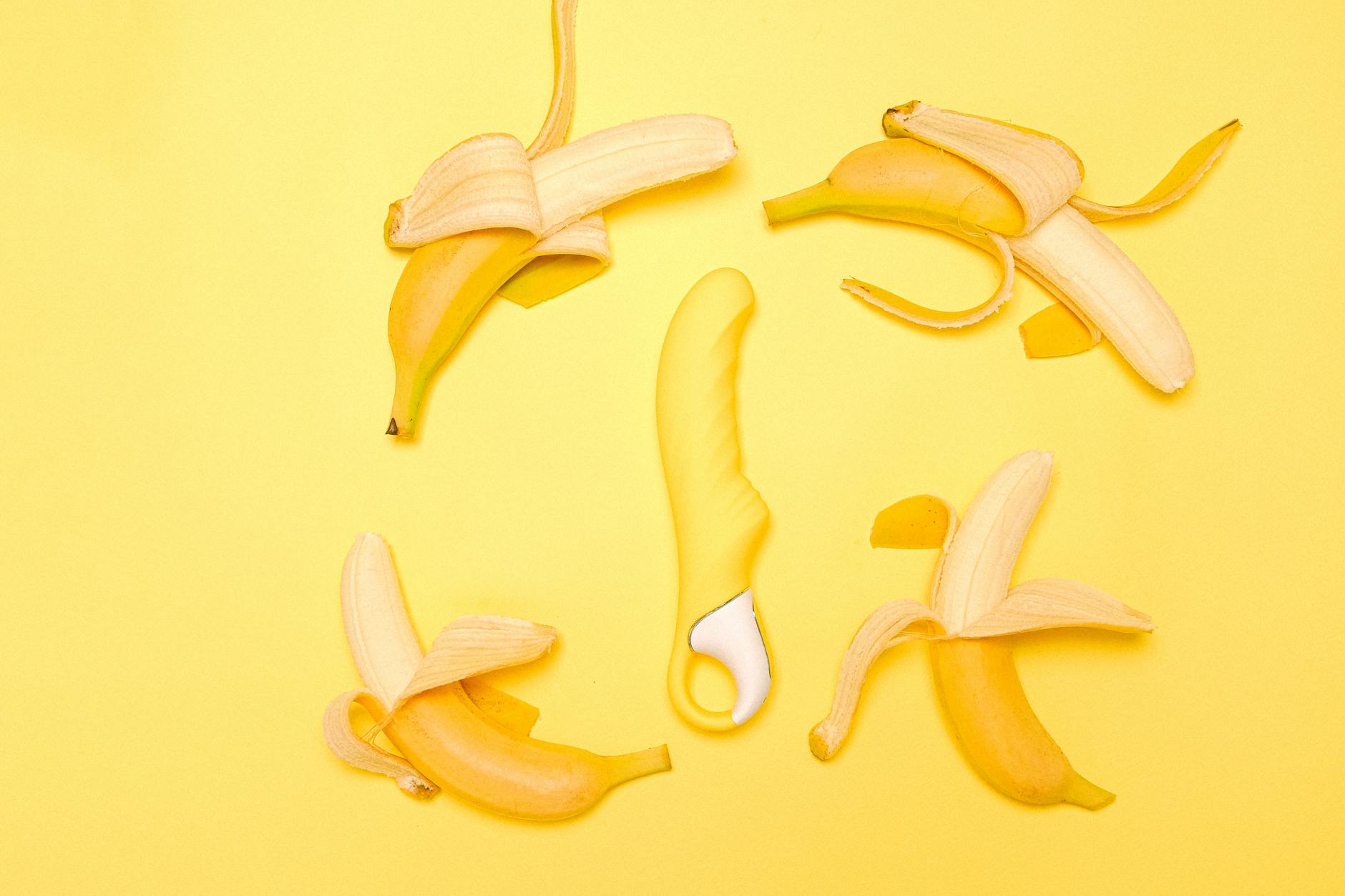
A lemon clitoral vibrator works differently than penetrative sex. There's no friction. No pressure against an irritated area. No guessing about depth or angle. It's pure stimulation of the external clitoris, which is exactly what's safe and effective when penetration is off the table.
The suction technology does something else that matters: it pulls blood into the clitoris without aggressive vibration. This means more arousal, more sensation, more natural lubrication. Better arousal often means better overall tissue health and sometimes less pain during future attempts at penetration.
It's not a workaround. It's a different, often better, pleasure pathway.
If penetrative sex is painful right now, here's what I recommend:
Separate clitoral pleasure from penetration attempts. Use a lemon vibrator on its own. No partner involvement, no pressure to have "full" sex. Just you, the vibrator, and whatever sensation feels good. This rebuilds the neural pathway that says "my body can feel good" without the baggage of pain.
Use it during foreplay if you're with a partner. Most people rush foreplay. If you slow down and spend 15-20 minutes on clitoral stimulation with the lemon before attempting anything penetrative, arousal rises. Lubrication increases. The pelvic floor relaxes from the pre-arousal state. This alone sometimes eliminates pain on subsequent penetration.
Start on the lowest setting. Even the gentlest suction can feel intense if your body is braced for pain. Pattern 1 on the lemon gives you control and builds confidence. Intensity is less important than consistency right now.
Let's be clear: if penetration hurts, a gynecologist who specializes in pelvic pain is worth your time before you dive deeper into vibrator use. Endometriosis, vaginismus, vestibulodynia, pelvic floor dysfunction. These need diagnosis and sometimes physical therapy alongside pleasure work.
A pelvic floor physical therapist deserves a mention too. They teach you how to actually relax the pelvic floor. Most people with pain tense it further, making everything worse. PT changes that.
You don't have to choose between medical care and pleasure tools. Use both. The vibrator helps you explore sensation safely while you're getting the right diagnosis.
If you have a partner, penetrative pain becomes both people's problem. That's actually useful because it forces a conversation.
Here's what I tell couples: the clitoral vibrator isn't a replacement for him or her. It's a central part of sex. Most people with vulvas need clitoral stimulation to orgasm anyway. A lemon vibrator just makes it happen more reliably and without the friction that's causing you pain.
Try this: partner stimulates you with the lemon while you're next to them. No penetration. Just that. Many couples find that's enough. Or use the lemon before penetrative attempts to maximize arousal. Some people find they can handle brief penetration after sustained clitoral stimulation from the suction device.
The key is removing the pressure that penetration "should" work right now. It might. It might not. Your clitoris works either way.
Here's something I've seen repeatedly: once pain stops being the main event, pleasure becomes more nuanced. You notice differences between patterns on the lemon. You find preferred speeds. You discover that sometimes faster is better, sometimes slower is. This is the kind of body literacy that actually makes partnered sex better later.
Use the vibrator to map your own pleasure. What intensity feels good today? What pattern makes you focus most? Does warmth help? Does mental distraction help? These questions seem simple but they rewire your nervous system away from pain anticipation and toward sensation.
Water-based lubricant isn't negotiable if penetration is on the table at any point. Even with a lemon vibrator used only on the external clitoris, if there's any chance of penetration later, your tissues need support.
Silicone-based lubes feel richer but they degrade silicone toys. Stick to water-based for the lemon clitoral vibrator. The bonus: water-based lubes are gentler on already-irritated tissue.
Rebuild takes time. Your nervous system learned to expect pain during sex. That learning doesn't reverse in one session. But consistent, pleasure-focused use of a tool like the lemon vibrator tells your body something new: this feels good, and it's safe.
Some people return to penetrative sex after a few weeks of clitoral-focused pleasure work. Some don't, and that's fine too. The goal isn't to force penetration. It's to have pleasure that works for your body, right now.
Yes, but carefully. Endometriosis affects tissue inside the pelvis, not the external clitoris. A lemon clitoral vibrator stimulates externally, so it avoids that irritated tissue. That said, some people with endometriosis find any pelvic arousal triggers internal pain. If that's you, start with the lowest setting and see what your body tells you. A pelvic pain specialist can help you figure out what's safe for your specific situation.
Not typically, because suction is gentler than direct vibration or friction. It pulls rather than rubs. If your vulva is very tender right now, start on pattern 1 for just a few minutes to test. You control the intensity entirely. Many people with vulvodynia or vestibulodynia find suction devices more tolerable than traditional vibrators.
The opposite, usually. More arousal means more lubrication and more pelvic floor relaxation. When the time comes to try penetration again, your body will be in a better state for it. The vibrator primes the nervous system for pleasure, not pain.
This is worth addressing directly. A partner who feels replaced by a vibrator is missing the point: the vibrator solves the pain problem that's keeping sex off the table. It's not competition. It's a tool that gets you both back to intimacy. If a partner won't engage with that reframe, that's a relationship issue, not a vibrator issue. A couples therapist can help.
It depends on the cause. Vaginismus or pelvic floor tension can shift in weeks with consistent pleasure work. Endometriosis might need medical treatment in parallel. Hormonal issues often need time. Give yourself at least 2-3 weeks of regular clitoral stimulation before assessing. And track other variables: stress, sleep, what medication you're on. Pain rarely has one cause.
Yes. The IUD sits inside the uterus, far above the clitoris. A lemon clitoral vibrator won't touch it. However, some people with IUDs find that arousal and orgasm intensify cramping. If that's you, take breaks and keep heat therapy nearby. You're not damaging anything. Your uterus is just responding to hormonal shifts during arousal.
Penetrative pain is solvable. Sometimes it requires medical care, sometimes pelvic floor therapy, sometimes both. What it doesn't require is stopping pleasure entirely. A lemon clitoral vibrator gives you a safe, effective way to experience sensation while you figure out what's going on with penetration. Your pleasure matters, pain or not. Start there.
Questions about what's causing your pain, or whether a lemon vibrator is right for your situation? Reach out at /contact. I'm here to help.