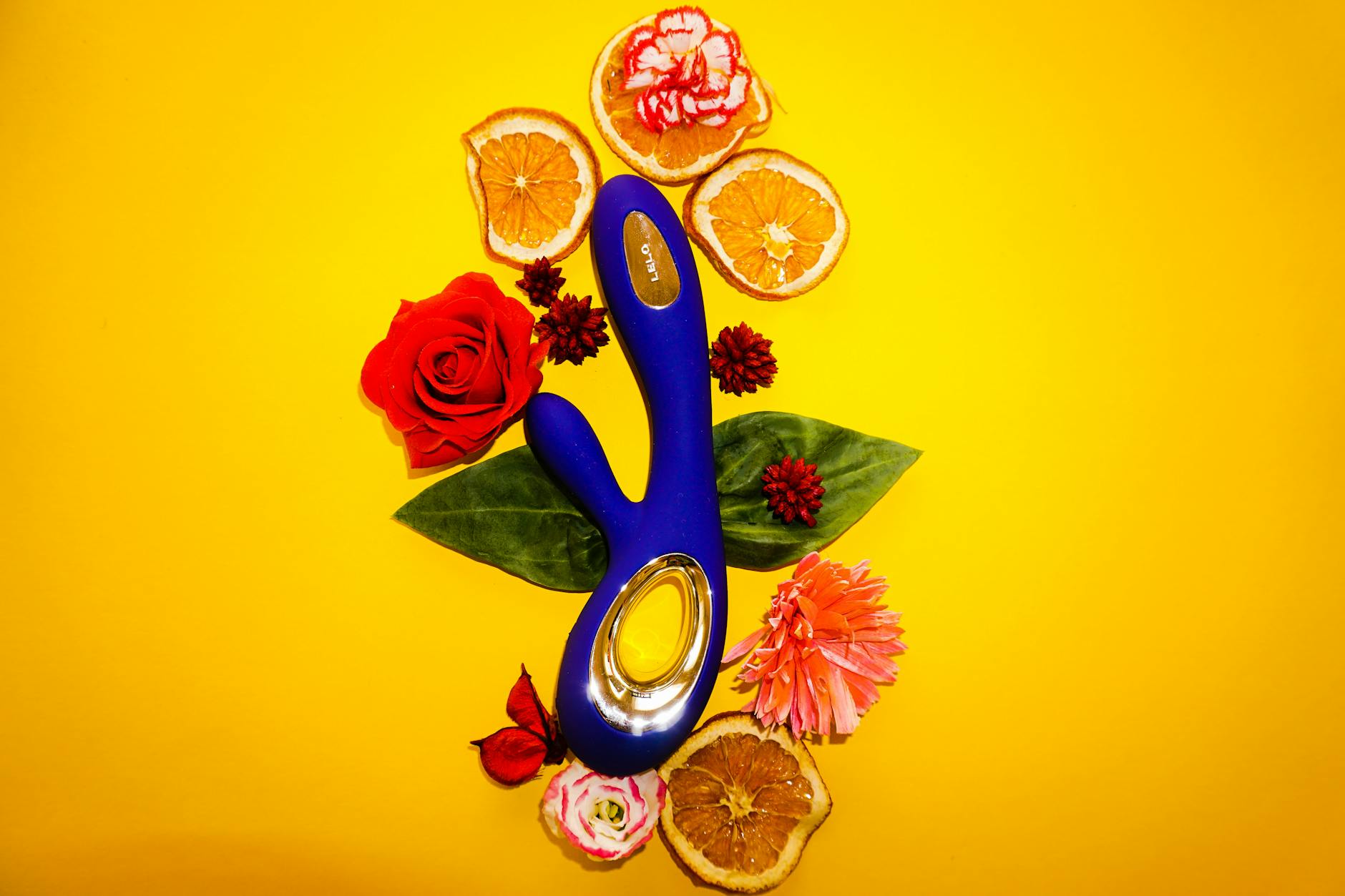
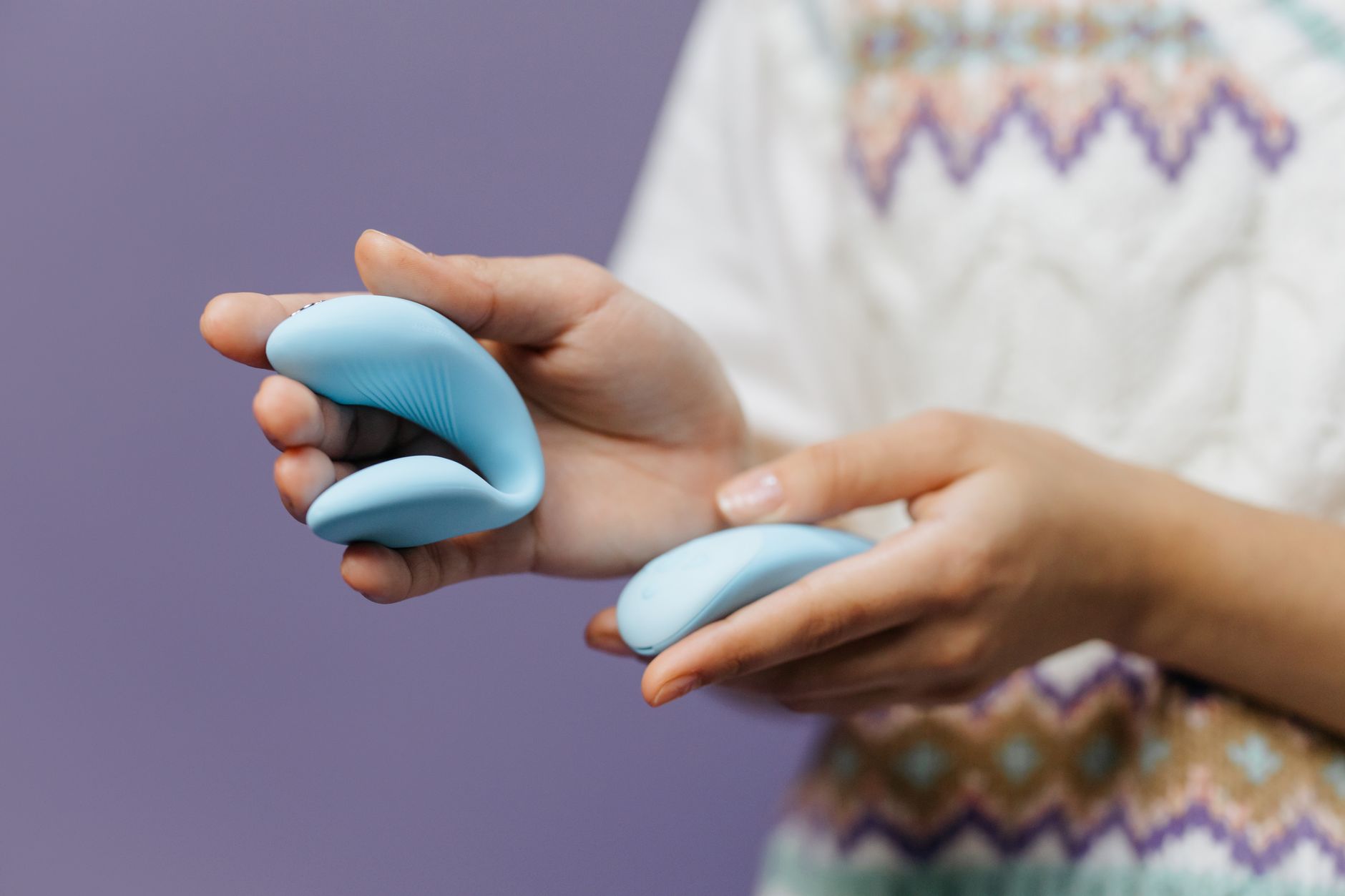
How to Use a Lemon Vibrator When Your Partner Isn't Interested in Toys
Your desire for a lemon clitoral vibrator doesn't need their permission. Here's how to navigate the resistance, communicate your needs, and reclaim your pleasure.
Let's be real: "I don't want toys in our sex life" is usually code for something else. Fear. Insecurity. A misunderstanding about what toys actually do. And here's the thing that no one talks about openly. Your partner's discomfort does not override your right to pleasure.
When someone says they don't want toys involved, what they're often actually saying is one of these:
"I'm worried it means you're not satisfied with me." This is the big one. A lot of people internalize toys as rejection. They think a lemon clitoral vibrator signals that their hands, their body, their effort isn't enough. That's heartbreaking, and it's also fixable, but it requires a direct conversation about what pleasure actually is.
"I don't understand what it does or how it works." Fear of the unknown makes people defensive. If your partner has never seen a lemon vibrator up close, talked through how it works, or understood the mechanism of suction versus vibration, they might be picturing something invasive or strange.
"This feels like a kink I'm not ready for." Some people genuinely worry that accepting a toy in the bedroom is a gateway to requests they're not comfortable with. They're drawing a boundary, even if it's not clearly explained.
"My ex used one and it reminds me of something I want to forget." Sometimes resistance carries baggage from another relationship entirely.
None of these reasons mean you have to give up your pleasure. But understanding the actual source of the resistance changes how you respond.
Here's the distinction that changes everything: using a lemon vibrator solo is not negotiating with your partner. It's not asking permission. It's not a compromise or a phase before they warm up to the idea.
Your pleasure is nonnegotiable. Full stop.
That said, if you're in a committed relationship with someone you want to stay connected to, their feelings matter too. Not in a way that stops you from using a lemon sexual toy, but in a way that shapes how you talk about it.
The conversation isn't "Can I use this?" The conversation is "I use this for my own pleasure, and here's why it matters to me."
There's a psychological difference between those two framings. One asks for permission and invites a no. The other states a fact about your sexuality and invites them to understand it.
Timing matters. Don't bring this up right before sex, during a fight, or when you're both tired. Pick a calm moment. Not a therapy session, just a conversation.
Start with the actual fear, not the toy. "I've noticed you're hesitant about me using toys, and I want to understand what's going on." Then listen. Really listen. Don't defend or explain yet. Let them name the fear.
Once you know what they're actually worried about, you can address it directly. If it's about adequacy, you say: "A lemon clitoral vibrator doesn't replace you. It's like the difference between a massage and a sauna. Both feel good. They do different things. I want both."
If it's confusion, you show them. Pull out your lemon vibrator. Explain the suction mechanism. Let them hold it. Demystification kills a lot of resistance on its own.
If it's a boundary they're drawing, respect it as a boundary, but don't blur your own. You can say: "I hear that you need time with this. I'm not pushing you to participate right now, but I am going to use this for myself."
This is where your agency matters most. You don't need their enthusiasm. You just need privacy and a clear understanding with yourself that your pleasure isn't contingent on their approval.
Timing: Use your lemon vibrator at times when you have genuine privacy. Early morning, when they're out, or during a conversation where you've established that you're taking time for yourself. Don't sneak. Secrecy breeds resentment and shame, and you deserve neither.
Context: You can frame this the same way you'd frame any solo practice. "I'm going to take 30 minutes for myself." That's all that needs to be said. You don't owe detailed explanations of what solo pleasure looks like.
Psychology: Some partners actually soften when they realize that using a lemon vibrator isn't a statement about them. It's just you, alone, taking care of your body. The threat they felt drops significantly once they understand it's not a comparison.
If you're using your lemon adult toy solo and your partner starts getting curious, curious is progress. Not enthusiasm yet. But curiosity.
Answer questions factually. "How does it feel?" "Different from hands. More consistent pressure. Different kind of sensation." "Why do you like it?" "Orgasms feel stronger. It gets me there faster." Short, honest answers.
Don't oversell. Don't try to convince them it's great. Just be matter-of-fact. Your lack of defensiveness often removes the last bit of threat they're feeling.
Some partners come around. Some don't. If yours does, it often looks like this:
Stage 1: They're okay with you using it alone, but not interested in watching.
Stage 2: They're okay with you using it during solo time, and they know about it, and it doesn't upset them anymore.
Stage 3: Curiosity peaks. "Can I watch?" Or "Can I hold it?" These are gift moments. Accept them without making a bigger deal than they are.
Stage 4: "What if we used it together?" Now you're in new territory, and you move at their pace, not your own.
But here's the thing: some partners never get to stage 4. And if you're waiting for them to be ready before you use your lemon clitoral vibrator, you're prioritizing their comfort over your pleasure. That's a different problem.
Listen for the difference between "I'm uncomfortable with this" and "You're not allowed to do this." One is a boundary. The other is control.
If your partner is saying things like "If you use that, I'll consider it cheating" or "You can't use a toy if we're together," that's worth examining. Not because toys are so important. But because bodily autonomy is. The specific object isn't the issue. The right to make decisions about your own pleasure is.
A partner who's uncomfortable with toys can say so. A partner who's controlling will weaponize their discomfort to restrict your choices. Those are different conversations, and the second one might need outside help to untangle.
Sometimes the conversation about toys becomes the conversation about connection. "I want more pleasure in our sex life" gets interpreted as "You're not enough," and suddenly you're fighting about something bigger than a lemon vibrator.
If that happens, it might be worth taking the toy temporarily off the table and focusing on what's actually broken. Are you two having good sex at all? Are you talking about what feels good? Are you both approaching pleasure as something you create together?
Often, once couples rebuild that foundation, the toy becomes less charged. It's just a tool. Not a referendum on the relationship.
Here's what I see in my practice over and over: people in long-term relationships abandoning their pleasure because a partner is uncomfortable. They trade orgasms for peace. They trade their body for approval.
You don't have to do that. You can have both. You can respect your partner's feelings and still use a lemon vibrator. You can be in a committed relationship and still prioritize your own sensation. You can love someone and disagree with them about toys.
Your pleasure isn't selfish. It's necessary. A lemon clitoral vibrator isn't the symbol of a breaking relationship. It's the symbol of someone who knows what they want and isn't willing to disappear to keep the peace.
If your partner eventually comes around, great. If they don't, you get to make a choice about what that means for you. But the choice to use a lemon suction device for your own pleasure? That's not something you need permission for. That's just you, taking care of yourself.
Often it's about identity. Men especially are taught that their job is to be "enough" sexually. A toy, to them, can feel like evidence of failure. But toys don't replace partners. They add sensation. The insecurity usually isn't about the toy itself. It's about what they fear it means about them.
No. Your body is yours. That said, ongoing refusal from a partner to accept part of who you are is worth examining. Not because the toy matters so much. But because control over your pleasure is a relationship red flag.
It can if you're doing it in secret and your partner finds out and feels betrayed. It won't if you're honest about it. Secrecy is what creates distance. Honesty, even about things partners don't love, often builds trust over time.
That's a different conversation. They've moved the goalpost. They're saying yes but meaning no. You can gently call that out: "You said this was okay, and now you're upset. What changed? What are you actually worried about?" Sometimes people say yes before they've processed their feelings.
Hiding it isn't sustainable and it seeds resentment. It also makes pleasure feel shameful. You deserve better. The question isn't whether to hide it. The question is whether you want to stay in a relationship where you have to hide parts of your pleasure. That's a bigger conversation than the toy itself.
Yes. A good therapist can help partners understand that toys aren't about replacement or infidelity. They can help you both get to what's really going on underneath the resistance. It's not about convincing someone toys are great. It's about understanding why the resistance is there and whether it's rooted in fear or control.
You deserve pleasure. Your partner's comfort matters. Both things can be true. A lemon clitoral vibrator isn't a threat to your relationship unless you're treating it like a secret, or your partner is treating it like a test.
Honesty about what you want and who you are. That's the thing that actually builds intimacy. Not agreement about toys. Not matching desires. Just the willingness to say "This is who I am" and the partner's willingness to sit with that, even if they don't fully understand it yet.
If your partner is willing to do that work, you have something worth protecting. Use your lemon vibrator. Tell them about it. Let them come around at their own pace. And if they never do, at least you'll know you didn't disappear to keep the peace.