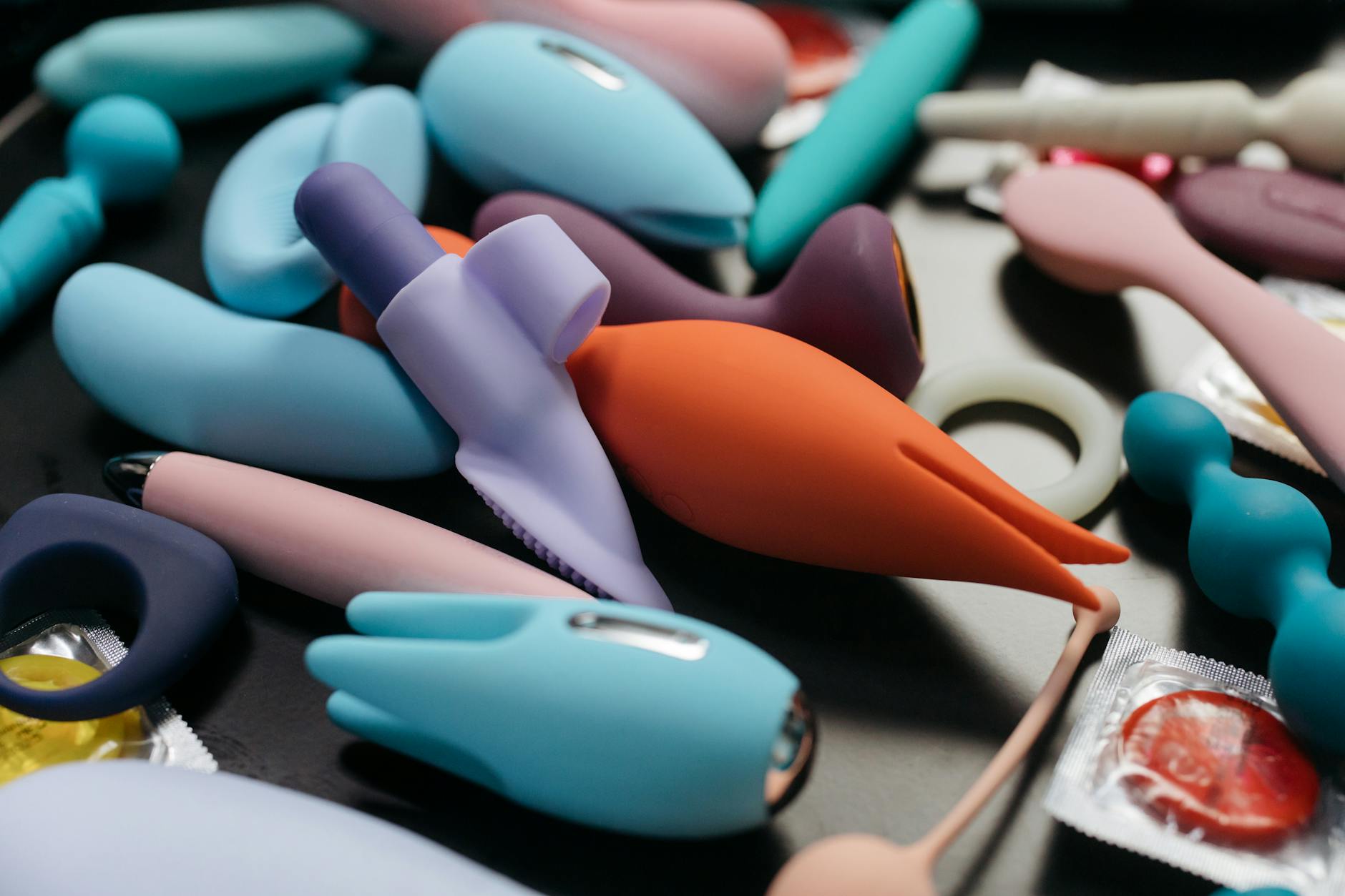
Here's the thing: depression numbs pleasure. It's not just sadness or low mood. It's a flattening of sensation, desire, and the ability to feel good in your body. When you're in it, even things that used to light you up feel muted, distant, or completely inaccessible. Then one day, your medication starts working, or therapy gains traction, or both, and something shifts. Slowly at first. Then more.
But coming back to pleasure after depression isn't like flipping a switch. It's more like waking up a limb that's been asleep. There's tingling, there's confusion, there's sometimes pain. And if you're reaching for something like a lemon clitoral vibrator, it can feel shockingly intense, weirdly foreign, or emotionally loaded in ways you didn't expect.
That's completely normal. And it's also something most people never talk about, which means you might think you're broken when you're actually just relearning.
When depression was active, your brain chemistry was working against pleasure. Dopamine (the neurotransmitter tied to reward and desire) was depleted. Serotonin was low. Your nervous system was in a protective, contracted state. Your body literally learned to not feel very much.
Now that medication or therapy or time has shifted that chemistry, your body is starting to wake up again. But it doesn't happen evenly. Some sensations might feel heightened or even painful. Others might still feel muted. Your clitoris might feel hypersensitive to direct touch after months or years of feeling numb to everything.
Many people I work with describe their first experience with a lemon vibrator post-depression as "too much" or "not what I remembered." Both are true statements that can exist at the same time.
Your nervous system needs permission to relearn pleasure slowly. That means starting with patterns on the Lem vibrator that feel almost gentle. Pattern 1 and 2 exist for a reason. They're not "beginner" settings you outgrow. They're the frequency range where your nervous system can relax enough to feel sensation without being overwhelmed.
Set a timer for five minutes. Not ten, not until you orgasm. Five. Explore what each pattern feels like. Notice whether you feel warmth, tingling, pressure, or nothing. All of those are data, not failures.
First, separate sensation from expectation. You don't have to arrive at orgasm. That's performance. What you're doing is reconnecting. A clitoral vibrator is a tool for that, but the real work happens in your nervous system learning it's safe to feel good.
Second, add lube even if you think you don't need it. Depression can reduce natural lubrication, and it takes time for that to normalize. Water-based lube doesn't mean anything is wrong with you. It means you're supporting your body's relearning process.
Third, know that emotions might come up. Pleasure used to be blocked off. Now it's accessible again. Sometimes that triggers relief, sometimes grief for the time you lost, sometimes unexpected tears. You're not having a breakdown. You're integrating something your body couldn't access before. That integration can be messy.
Before reaching for a lemon vibrator, spend time relearning your own touch. This sounds basic, but it matters. Use your fingers, no device. Start on your thighs, your breasts, your neck. Places that aren't goal-oriented. Get curious about what feels good without any pressure to feel a specific way.
Once you've spent a few days or a week doing that, introduce the vibrator at the lowest setting. Start on your outer labia first, not directly on your clitoris. The outer labia have fewer nerve endings and can be a gentler entry point. After a minute or two, move toward the clitoris.
Stop before you feel overwhelmed. Yes, before. Not when you're at the peak of too much, but when you sense it's building. You're teaching your nervous system that pleasure is safe, that you control the pace, and that you can always pause.
The lemon clitoral vibrator uses suction and pulsing instead of direct vibration. That matters right now. Suction feels different than vibration. It's broader, less intense on a single point. If you've been numb, suction gives your nervous system permission to wake up gradually instead of jolting awake.
The pattern range matters too. Because you can start low and stay low for as long as you need. There's no pressure to work your way "up" to the intense patterns. Some people rediscover pleasure entirely on patterns 2 and 3. That's not settling. That's healing.
If you're with a partner, tell them what's happening. Not because they need to fix it, but because they deserve to understand that pleasure is returning on your timeline, not on a standard timeline.
Some people want their partner present. Others want to rediscover alone first. Both are okay. If you do explore together, they should know that you might stop abruptly. You might need to cry. You might feel nothing one day and everything the next. None of that reflects how you feel about them.
The lemon clitoral vibrator can be part of partnered touch too. Your partner can hold it, they can watch, they can simply be present while you relearn. But the control stays with you. You decide pressure, pattern, duration.
Depression teaches your brain that feeling good is not safe or possible. When sensation starts returning, your brain might panic a little. Some people describe it as guilt, some as fear, some as grief. There's no "right" emotion here.
If you find yourself emotionally flooded during or after self-pleasure, pause. Journal about it if that helps. Talk to your therapist. Tell your partner. The reconnection to pleasure is also a reconnection to your body and your right to feel good. That's a bigger thing than it might sound like.
If sensation feels painful, genuinely painful rather than intense, stop. That's your body giving you information. Pain during pleasure can be a sign that you need more time, more lube, or gentler pressure. Or it could be something else entirely that's worth discussing with your doctor.
If sensation feels numb even after weeks of trying, that's also information. It might mean your current medication needs adjusting, or you need additional support. Check in with your prescriber. Depression and medication side effects are real and worth addressing.
But if sensation feels building, if you're noticing moments of pleasure even if they're brief, if you're curious instead of obligated, you're moving in the right direction.
Someone else might have orgasmed on the first day back. That doesn't matter. Your nervous system is rebuilding trust with pleasure. That takes the time it takes. Some people need weeks, some need months. Your job isn't to compare yourself to anyone else's timeline. Your job is to keep showing up, keep noticing, and keep being gentle with yourself.
The Lemon Suction's lemon vibrators exist partly for moments like this. For reconnection. For the people who need to go slow, who need options, who need a tool that doesn't demand intensity.
You deserve to feel good. Not eventually. Not when you've done enough work. Now. Even if it looks different than it used to. Even if it takes longer. Even if it's messy and complicated and requires pausing. That's not suffering. That's healing.
Yes. Many SSRIs and other antidepressants come with sexual side effects, and many don't. If your medication is working well for your mood and you're experiencing sensation returning, you can use a vibrator. If you're still feeling numbness or difficulty orgasming, talk to your prescriber. Sometimes a dose adjustment, timing shift, or medication change helps. Using a lemon clitoral vibrator while you work on that adjustment is totally fine.
Pleasure often has a quality of warmth, release, or relaxation. Stimulation can feel like tingling or pressure without that release. When you're relearning after depression, you might experience stimulation first, then pleasure builds later. They're not the same thing, but stimulation is part of the path to pleasure. Don't dismiss tingling or pressure as "not working." That's your nervous system waking up.
Completely normal. Pleasure used to be blocked off. Now it's accessible again. Sometimes that triggers grief for the time depression took. Sometimes it triggers relief, sometimes both at once. Those emotions are part of integration. They don't mean you did something wrong or that you're not actually getting better.
That's worth discussing with your doctor or therapist. It could mean your medication needs adjusting, you need more time, or something else is going on physically. Some people find that switching up tools helps, or changing timing, or adding partnered touch. But persistent numbness isn't something to push through alone. Get support.
You can. Some people find daily exploration helpful. Others need a few days between sessions to let their nervous system integrate. There's no standard. Listen to what your body needs. If you're using it daily and it still feels numb, that might be a sign to take a break and try again in a few days.
That depends on your relationship and your comfort. If you're partnered and want to share that journey eventually, it can deepen intimacy. If you want privacy during this phase, that's okay too. What matters is honesty with yourself. If you're avoiding telling a partner out of shame, that might be worth exploring with a therapist. If you're taking space for solo healing, that's healthy.
Your pleasure is yours. The tools you use, the pace you set, the emotions that surface, the time it takes. All of that belongs to you. The lemon clitoral vibrator is just a companion in that process.