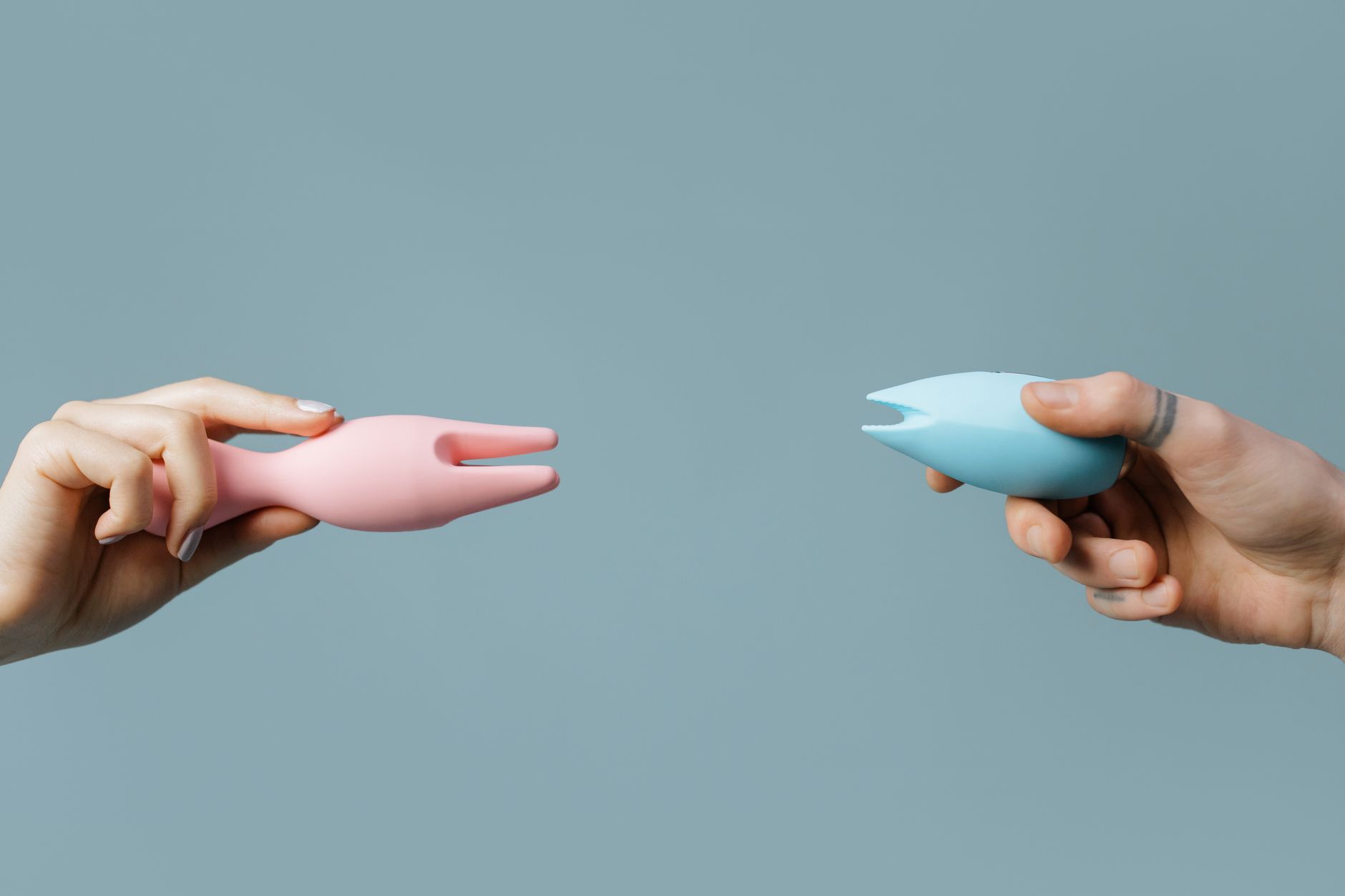
How to Use a Lemon Vibrator When Antidepressants Affect Your Pleasure
SSRIs and other antidepressants can numb sensation and delay orgasm. Here's the neurology, what actually changes, and how a lemon clitoral vibrator helps you reclaim pleasure.
Antidepressants save lives. They also sometimes make orgasm feel like trying to hit a moving target in the dark. Sexual side effects from SSRIs (selective serotonin reuptake inhibitors) and other psychiatric medications are real, common, and almost never discussed before you fill your prescription. Most people assume they're broken. They're not. Their brain chemistry shifted, and pleasure requires a different approach.
Here's what I see clinically: people start antidepressants, their mood lifts, but then arousal dulls or vanishes, and orgasm becomes nearly impossible. Then comes shame. Then avoidance. Then their relationship takes a hit. None of that had to happen if someone had said upfront: "This side effect exists, and here's how we work around it."
Serotonin regulates mood, but it also modulates dopamine. Dopamine is the neurotransmitter that drives desire and makes climax feel like climax. When you increase serotonin (which is what SSRIs do), you often decrease dopamine availability in the circuits that handle sexual response. This isn't a bug in the medication. It's how the molecule works.
The result is a chain reaction. Arousal takes longer to build. Sensation feels muted, like you're touching your skin through a thin glove. Orgasm might still be physically possible, but it feels distant, harder to trigger, or less intense. Some people describe it as watching pleasure happen to someone else.
What doesn't change: your capacity for connection, your desire for your partner, your brain's wiring for pleasure. The pathway is still there. The signal is just turned down.
When sensation is blunted, generic stimulation often doesn't cut it. The lemon clitoral vibrator works especially well here because of how it operates. Unlike traditional vibrators that rely on side-to-side buzz, air-suction devices create a stronger, more concentrated sensation. That intensity bypasses some of the dulling effect.
Think of it like turning up the volume on a speaker to hear the same song through a soundproof window. You're not changing the content. You're compensating for the dampening.
I recommend starting with a lemon vibrator set to pattern one or two, giving yourself 15 to 25 minutes of focused stimulation. This isn't rushing. This is meeting your body where it is.
When you start a new antidepressant, sexual side effects don't usually hit immediately. Most people report them kicking in after one to two weeks, peaking around week four. This is important because it means you're not failing at sex. Your medication is still settling.
I tell clients: give it six to eight weeks. Some people's bodies adjust. The dulling effect eases. Arousal returns closer to baseline. Others find it stays, and that's when we explore solutions.
During those weeks, keep pleasure in the picture anyway. Use a lemon vibrator. Solo play is especially helpful because there's zero performance pressure. You're gathering data about what still works, not proving anything to anyone.
This conversation matters more than you probably think. If the sexual side effect is severe enough to affect your quality of life, your doctor has options.
Some doctors suggest taking a medication "holiday" (skipping a dose the day before sex), though this only works for some medications and some people. Others will adjust the dose or switch you to a different SSRI or class of antidepressant. Some people respond better to Wellbutrin (bupropion), which affects dopamine differently and often has fewer sexual side effects.
There's also augmentation: adding a second medication (like buspirone) to counteract the sexual side effect. This feels like a lot, but if your mental health depends on the antidepressant and your quality of life is tanking, it's worth discussing.
The key: your pleasure matters. Don't white-knuckle through it. Your doctor has heard this before.
First, extend your foreplay timeline. If you used to need 10 minutes of stimulation to reach orgasm, budget 25 or 30 now. This isn't failure. Antidepressants slow the arousal process. Working with that (instead of fighting it) makes everything easier.
Second, separate pleasure from orgasm in your mind. When sensation is dulled, the pressure to "finish" often makes things worse. Instead, spend time just exploring sensation with your lemon vibrator. Notice the texture, the patterns, the rhythm that feels best. Sometimes orgasm follows naturally. Sometimes it doesn't. Both are fine.
Third, involve your partner if you have one, but reframe it. Instead of "my medication is ruining sex," try "my body needs different types of touch right now." Then show them. Let them hold the vibrator, experiment with pressure, discover what lands.
Some people's bodies never fully adjust. The dulling effect persists. If that's you, the goal shifts from "return to baseline" to "find what feels good now."
A lemon vibrator becomes part of your normal toolkit, not a workaround. Many people find they actually prefer the intensity once they stop resisting the change. Sensation through a lemon sucker feels different from sensation from fingers or typical vibrators. Different doesn't mean worse.
I've also seen people discover orgasms with antidepressants that they never had before. The slower buildup means more sustained pressure on nerve endings. The lower dopamine means less quick-hit, less performative pleasure and more full-body, present sensation. It's weird to frame medication side effects as an upgrade, but sometimes the reframe is honest.
Here's what rarely gets said: antidepressants give you the mental space to actually enjoy sex. If you're coming off depression or anxiety, your brain has been running on fear or flatness. Pleasure felt impossible or dangerous. The medication clears that fog.
So yes, sensation might dull. But your capacity to be present, to let yourself want things, to trust your partner, to enjoy intimacy without intrusive thoughts... that often improves wildly.
If you're grieving the loss of spontaneous, easy pleasure, that's real. And it's also worth weighing against: not wanting to die. Not spiraling into panic at 3 a.m. Actually being able to engage with your life and relationships.
You can hold both truths. The medication helped you. And the sexual side effect sucks. Working with a lemon clitoral vibrator, talking to your prescriber, being honest with your partner, and giving yourself grace through the adjustment period doesn't erase the frustration. But it moves you from stuck to resourceful.
Most people notice sexual side effects within one to three weeks of starting the medication. The effect can peak around week four and sometimes improve over time as your body adjusts. If you're still experiencing significant dulling or delayed orgasm after six to eight weeks, it's worth talking to your prescriber about options.
No. Not safely, and not without serious medical oversight. Stopping antidepressants abruptly can trigger withdrawal symptoms and a return of depression or anxiety that's often worse than before. If the sexual side effect is intolerable, work with your doctor on alternatives: dose adjustments, medication switches, or augmentation strategies. That's the safe path.
For many people, yes. Air-suction devices like a lemon clitoral vibrator create stronger, more concentrated sensation than traditional vibrators. That intensity can cut through the dulling effect more effectively. That said, every body is different. Some people respond better to a powerful wand vibrator. The best tool is the one that works for your nervous system.
Often, yes. Orgasm might take longer to build, feel less intense, or have a different texture than before. Some people describe it as muted. Others find it feels more full-body and less frantic. The experience is genuinely different, but different doesn't always mean bad. Many people adapt and find new pleasure patterns that actually feel richer than before.
Absolutely. Secrecy around this usually makes everything worse. Your partner deserves to know that your body changed for medical reasons, not because of them or because you've lost attraction. That conversation opens the door to solutions instead of resentment. You might say: "My medication makes orgasm harder to reach. Let's explore what helps," and then use a lemon vibrator together.
Find a new doctor. Or ask for a referral to a psychiatrist who specializes in medication side effects. Some prescribers still treat sexual side effects as trivial or inevitable. They're not. Your quality of life, including your sex life, is legitimate medical territory. You deserve a provider who takes it seriously.
Antidepressants changed your neurotransmitters, not your capacity for pleasure. That's a solvable problem, not a life sentence. Whether it's a lemon vibrator, a conversation with your prescriber, or a combination of both, there's a path forward. Your mental health and your pleasure don't have to be in competition. They're both worth fighting for.