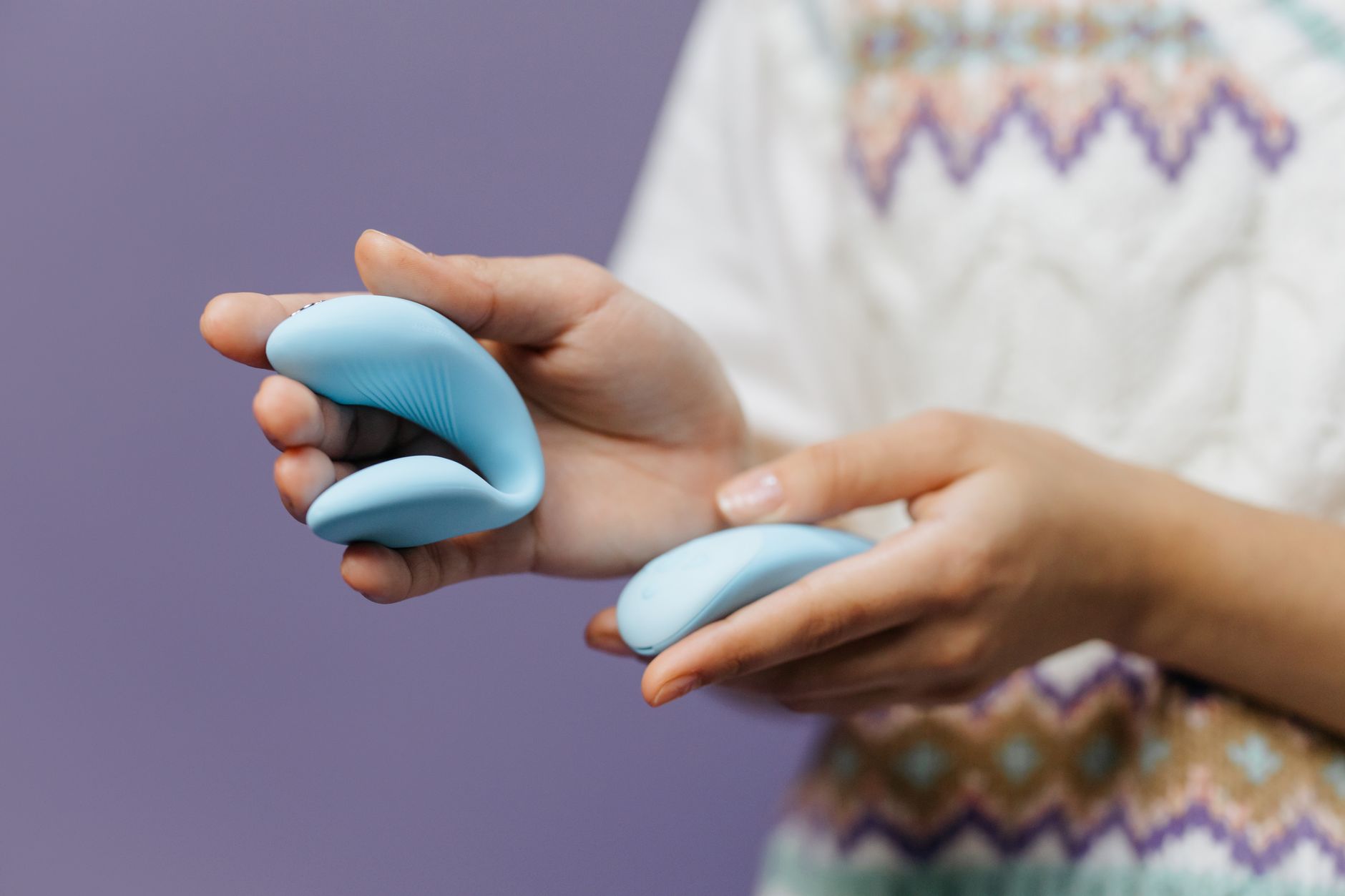
Why Lemon Vibrators Feel Different After Hormonal Shifts
Your body isn't broken. It's changed. Here's what's actually happening, why sensation shifts, and how a lemon vibrator adapts to hormonal transitions better than you'd expect.
Your body responds to stimulation differently depending on what hormones are circulating through your bloodstream right now. This isn't weakness or dysfunction. It's biology. And once you understand it, you can work with it instead of fighting it.
When estrogen levels fluctuate, drop, or stabilize at a new baseline (whether that's from birth control changes, pregnancy, perimenopause, or natural aging), the tissue in your vulva literally changes thickness, elasticity, and blood flow. Your nervous system's responsiveness shifts too. The clitoris is exquisitely sensitive to hormonal signaling, which means a lemon vibrator that felt perfect three months ago might feel completely different now.
The good news? That difference isn't permanent or irreversible. It's a signal. And devices like the Lem are designed to meet you exactly where your body is, not where you remember it being.
Let's talk physiology for a second without making it clinical.
Estrogen plumps up the tissue around and inside the vulva. It keeps the vaginal walls elastic, increases blood flow during arousal, and affects how quickly sensation registers in nerve endings. When estrogen drops (even slightly), tissue becomes thinner. Blood flow patterns change. The same amount of pressure or vibration can feel more intense or sometimes oddly distant, depending on the exact shifts happening.
Progesterone influences arousal differently. Higher progesterone can soften desire and slow down the physical response to stimulation. Lower progesterone might make you feel more responsive, though not always in a linear way. Testosterone (yes, people with ovaries produce it) affects the strength of arousal and clitoral sensitivity. Less testosterone can make it feel like someone turned down the volume on sensation.
The pelvic floor muscles, which are loaded with estrogen receptors, get less support as hormones fluctuate. This changes how contractions feel during orgasm and can alter the overall architecture of arousal.
One of the most common things I hear is, "The Lem used to make me come in minutes. Now it takes forever, or I can barely feel it."
This usually happens because tissue thickness is changing. Thinner tissue means less cushioning, so direct vibration can actually feel overwhelming at first. At the same time, reduced blood flow during arousal means the clitoris takes longer to engorge and become fully receptive. You're not broken. You're just experiencing a lag in your body's warm-up time.
Alternatively, if sensation feels muted, it's often because nerve sensitivity has temporarily downshifted (hormone-related) or blood flow is slower to mobilize. The Lem's suction mechanism actually handles this really well because it works by creating a gentle pressure gradient rather than hammering vibration directly into tissue. Suction pulls blood into the area, which can actually restore sensation more effectively than vibration alone when hormones are in flux.
Timing matters too. The same lemon vibrator can feel entirely different depending on where you are in your cycle or how far along a hormonal transition you are. That's not a sign to abandon the tool. It's a sign to adjust your approach.
If you've noticed a shift in how sensation feels, here's what to try:
Start with lower intensity settings. On the Lem, patterns 1 and 2 provide suction with minimal vibration. If your tissue has thinned or is more sensitive, this is often a sweeter entry point than diving into pattern 5. You can always turn it up, but you can't unsensitize yourself once you've overdone it.
Give arousal more time. Longer warm-up isn't because you're "broken." It's because blood flow is reorganizing. Spend 15-20 minutes with gentler touch, external play, or lower-intensity device use before moving to higher settings. Your body will thank you.
Layer in lubrication. If tissue has become drier (common with estrogen drops), lubrication does more than just ease friction. It protects thinner tissue and actually improves sensation by creating a smoother interface between the device and your skin. Water-based lube works best with the Lem's silicone.
Notice the suction differently. The suction mechanism on a lemon clitoral vibrator like the Lem isn't just about vibration intensity. It's about drawing blood into the area and creating a seal that concentrates stimulation. When vibration alone feels off, suction often feels more intuitive because it's working with your body's arousal mechanics rather than overriding them.
Pay attention to pacing, not just intensity. Instead of jumping from off to pattern 3, experiment with staying at pattern 1 for longer. Let your body acclimate. Sometimes the magic isn't in cranking up the power. It's in finding the right rhythm at the right setting.
Here's the flip side: sometimes hormonal changes make sensation feel rawer or almost too intense.
This happens when tissue is newly inflamed (early in a hormonal transition), when blood flow surges rapidly, or when estrogen levels swing dramatically. The same Lem setting that felt gentle last month suddenly feels like too much.
In this case, backing off isn't settling for less. It's respecting what your body is telling you right now. Use the device for shorter sessions. Try starting with your hand or a softer touch first. Give yourself permission to go slower. This phase usually passes once your body stabilizes at a new hormonal baseline.
The value of a lemon clitoral vibrator during this phase is that you can dial it way down and still get meaningful sensation. You're not locked into one intensity level.
When your hormones shift, your body isn't malfunctioning. It's recalibrating. And the tools that work best during these transitions are ones that let you meet your body where it actually is, not where you remember it being or think it should be.
Lemon vibrators, especially the Lem, work well during hormonal shifts because they're not one-note. Suction, vibration, pattern variation, and intensity adjustment give you options. You're not locked into "vibration or nothing." You can play with the gap between them.
Most importantly, the shift in sensation isn't a countdown to the end of pleasure. I've worked with people at every hormonal stage, and most report that understanding this pattern actually deepens their relationship with their body. Because once you stop fighting the change and start working with it, sensation often becomes richer and more varied than it was before.
Estrogen and progesterone fluctuate throughout your cycle, changing blood flow, tissue thickness, and nerve sensitivity. During the follicular phase (after your period), rising estrogen usually means more robust sensation. During the luteal phase (after ovulation), progesterone rises and can soften responsiveness. The Lem's adjustable intensity and suction mechanism let you adapt to these natural rhythms instead of fighting them.
Yes. Birth control adjusts your hormonal baseline, which affects tissue composition and arousal speed. Some people find sensation sharpens on hormonal birth control. Others find it mutes slightly. Neither is permanent or abnormal. If you've switched birth control and your Lem suddenly feels different, give yourself 2-3 weeks to recalibrate, then adjust your settings as needed.
Most of the time, yes. Numbness often happens when blood flow is sluggish or tissue is thinned, not when nerve endings are permanently damaged. Using a lemon clitoral vibrator with patient warm-up time, lubrication, and lower intensity settings usually helps sensation return over days or weeks. If numbness persists beyond a month, check with a healthcare provider to rule out other factors like medication side effects.
Not necessarily. In fact, continuing to use it mindfully (with adjusted settings) can help you stay connected to your body during transitions. The key is not pushing through discomfort. If sensation is too intense, turn it down. If it feels muted, give yourself longer warm-up time and layer in lubrication. Avoiding the device entirely can sometimes create more distance from your body, not less.
If you're experiencing vaginal atrophy or tissue thinning due to low estrogen, topical estrogen can improve tissue health and blood flow, which usually translates to more responsive sensation. If you're considering it, talk to your healthcare provider. It's not required to enjoy vibrators, but it can be a game-changer if low estrogen is genuinely affecting your physical experience.
Yes, though timing matters. If you've given birth vaginally, wait until any tearing has healed and you've been cleared by your provider (usually 6 weeks). If you've had a C-section, similar guidelines apply. After you're cleared, hormone levels are still all over the place, which means sensation might feel unfamiliar. Start with low intensity and plenty of lubrication. Your body is reorganizing, and patience pays off.
Hormonal shifts change how sensation feels. Full stop. But change isn't the same as loss. Understanding the pattern underneath that change means you can work with your body instead of feeling like it's working against you. A lemon vibrator designed with adjustable intensity, suction options, and thoughtful engineering lets you do exactly that. Your pleasure doesn't end when your hormones change. It evolves. And once you figure out how to meet it there, you might find it's richer than before.
If you're noticing shifts in sensation and want to talk through what might be causing them, reach out. That's what I'm here for.