Let's be honest about the long pause
Ten years without sex. Fifteen, even. It happens more than you'd think, especially after 50. A divorce, a death, a partner's illness, your own health crisis. Time passes. Your body changes. And somewhere along the way, the idea of desire feels like it belongs to someone else entirely.
Here's what I want you to know first: restarting is not the same as starting. You're not a beginner. Your body remembers pleasure even when your mind has moved on.
Why the restart feels different this time
Your body has shifted since the last time. Tissue is thinner, lubrication slower, arousal takes longer to build. That's not failure. That's biology after 50. But there's something else happening too.
After years without sexual contact, your nervous system has recalibrated. Touch might feel overstimulating. Pressure that worked at 30 might feel uncomfortable now. And because you've been away so long, there's often an undercurrent of anxiety: "Will this still work? Do I still want this? Am I normal?"
Yes. Yes. Yes.
Why clitoral suction (not vibration) changes the restart
Let me explain the difference. Vibration creates rapid back-and-forth movement. It's intense and immediate. After a long pause, many women find it overwhelming or even painful on sensitive tissue.
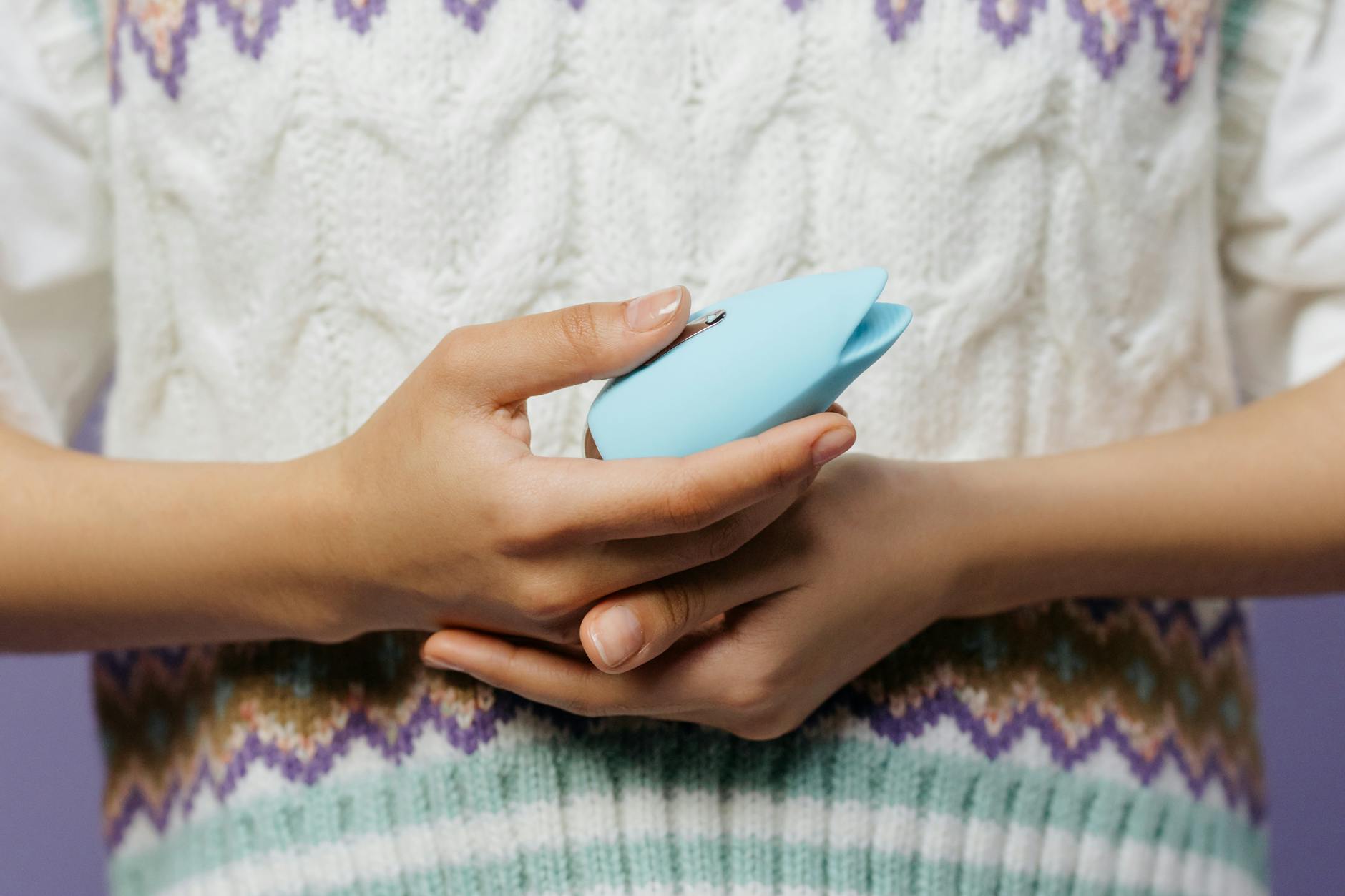
Clitoral suction works differently. It creates gentle pulling and releasing sensations that stimulate the clitoris without harsh friction. A lemon clitoral vibrator uses air-pulse technology that mimics the natural rhythm of oral sex, not the jolt of vibration.
For someone restarting after years, this matters. You're not fighting pressure. You're exploring sensation at your own pace. The lemon sucker gives you control in a way that older lemon vibrators or even traditional vibrators simply don't.
The first session: what to expect and what to skip
Don't expect an orgasm. I mean that kindly. Your first goal isn't pleasure. It's curiosity.
Set aside 20 minutes minimum. Not because you need that long, but because rushing yourself immediately triggers the old anxiety. Lie down in a comfortable place. Maybe somewhere you usually feel relaxed, not somewhere you associate with obligation.
Start with a water-based lubricant. You might not feel like you need it, but at 50+, tissue dries faster than it used to. Lubrication isn't optional. It's protective.
Turn the lemon vibrator on the lowest setting. Place it against your outer labia first, not directly on the clitoris. Let your nervous system register: "This is safe." Stay there for 2-3 minutes. You're not chasing sensation. You're building trust with your own body.
Move the lemon clitoral vibrator slowly upward toward the clitoris. If you feel numbness, that's fine. If you feel nothing at all, that's also fine. If you feel a spark of sensation, pause there.
Your job today is not to come. Your job is to finish the session knowing your body still responds. That's enough.
Building tolerance: the three-session rule
Don't use the toy every day. I see this mistake often. People think "if one session is good, daily sessions are better." Wrong. Your clitoral tissue needs recovery time, especially after a long absence.
Session one: exploration at lowest setting. 15-20 minutes. Expect nothing.
Session two (3-4 days later): same process, but stay engaged for 25 minutes. If a pattern of sensation starts to build, follow it. But don't push.
Session three (3-4 days later): here's where you can experiment with pattern 2 or 3 on the device. Still using a lemon sucker instead of traditional vibration? The air-pulse technology works better at higher settings without becoming painful.
After three sessions, you'll know whether this is the right tool and the right pace for your body. Some women are ready to explore deeper pleasure by week two. Others need six weeks. Both are normal.
The mental side that nobody talks about
Restarting sex after years is not just physical. Your brain is involved.
You might feel guilt ("I'm being selfish"). You might feel disconnection ("That's not my body anymore"). You might feel performance pressure ("I should want this more"). You might feel grief ("This is different than it was before").
All of this is normal. And all of it makes the experience harder.
Here's what helps: separate the tool from the pressure. The lemon vibrator is neutral. It's not judgment. It's not expectation. It's just sensation. When shame or grief shows up (and it will), pause. Put the device down. Breathe. You don't have to push through emotion to rebuild pleasure.
Many women find that solo sessions with a lemon clitoral vibrator actually create safety that reconnecting with a partner doesn't. You're not performing. You're not worrying about someone else's experience. You're learning your own body on your own timeline.
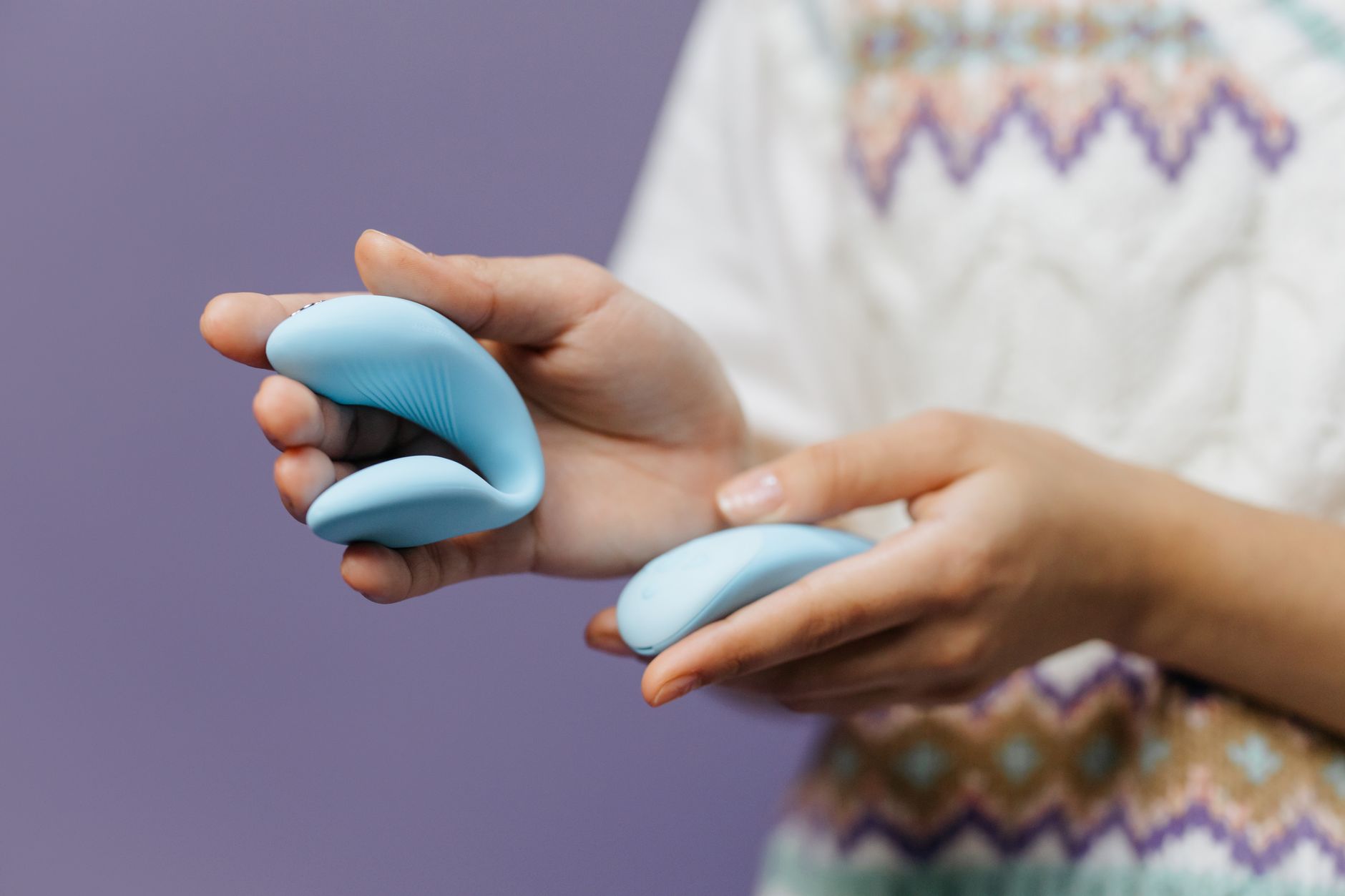
Photo by cottonbro studio on Pexels
What changes once you're consistent (month two and beyond)
After four or five sessions over 2-3 weeks, something shifts. Your body remembers. Arousal builds faster. Sensation feels less foreign. The numbness often starts to lift.
This is where you can start exploring. Move between patterns more fluidly. Notice what rhythm works. Some women at 50+ find that slower patterns (1-2 on the lemon sucker) feel more satisfying than the highest settings. Others discover they need pattern 4 or 5 to reach orgasm.
The point: you're not replicating your 30-year-old experience. You're discovering your 50-year-old experience. It's different. It can still be deeply satisfying.
If your partner is in the picture, this is also the phase where you might introduce them. But only if you feel ready and want to. Solo exploration with a lemon clitoral vibrator doesn't require partnership approval. If you want to explore pleasure with a partner eventually, starting solo gives you information and confidence you'd otherwise lack.
When to see someone if things don't move forward
If after 6-8 weeks of regular use, you're still feeling numbness, pain, or complete disinterest, talk to a doctor. Genitourinary syndrome of menopause is real. Low testosterone is real. Sometimes it's not psychological at all. Sometimes your body needs medical support.
That's not failure. That's information.
A gynecologist or menopause specialist can prescribe topical estrogen, discuss testosterone therapy, or rule out other factors. Then you can restart with clearer ground beneath your feet.
The long game: pleasure isn't a product you buy
You're not trying to become the woman you were at 30. You're becoming the woman you are at 50+. When pleasure feels distant after major life changes, the reconnection is gradual, sometimes messy, and absolutely worth the time.
A lemon vibrator is just the tool. The real work is permission. Permission to be curious. Permission to move slowly. Permission to stop when something doesn't feel good. Permission to discover what pleasure looks like now.
You've spent years or decades being productive, caretaking, managing. Your pleasure was probably never the priority. This is the moment to change that equation. Not because pleasure is frivolous. Because you deserve to feel alive in your own body. And you absolutely still can.
Frequently asked questions
Why does a lemon clitoral vibrator work better than a regular vibrator when restarting after a long pause?
Clitoral suction creates gentler stimulation through air-pulse technology, which mimics natural oral sensation rather than harsh mechanical vibration. After years without sexual contact, your tissue is more sensitive. A lemon sucker gives you control, adjustable intensity, and comfort without overwhelming pressure. Regular vibrators, by contrast, can feel too intense or even painful on tissue that hasn't been stimulated in a while. Suction also works better for women over 50 because it doesn't require the same degree of direct friction that can irritate thinner vaginal tissue.
How long does it actually take to rebuild desire after 10+ years without sex?
There's no standard timeline. Some women notice shifts in 2-3 weeks. Others take 8-12 weeks. Variables include your hormonal status, relationship to your body, whether there was trauma, and simple nervous system recalibration. The key is consistency without pressure. Using a lemon vibrator once every 3-4 days for at least 4-6 weeks gives your body enough signal that pleasure is safe again. Rushing the process often backfires because it reinforces anxiety.
Is it normal to feel nothing during the first few sessions with a lemon clitoral vibrator?
Completely normal. After a long absence, your nervous system is cautious. Numbness is protective, not permanent. Keep showing up with curiosity, not expectation. Sensation almost always returns, but it returns on your body's timeline, not anyone else's. Some women describe it like a dimmer switch slowly turning up, not a light switch flicking on.
What if I've restarted but still don't want sex with a partner?
Solo pleasure and partnered pleasure are different conversations. The fact that your body can reach orgasm alone doesn't automatically mean you're ready for a partner or want one. Some women discover during this restart that they actually prefer solo exploration. Some find their desire for partnership returns later. Some discover they only want partnership under specific emotional conditions. All of these are valid. A lemon vibrator teaches you what you actually like without performance pressure.
Should I tell my partner I'm using a lemon vibrator while restarting?
That depends entirely on your relationship and comfort level. Some couples find this conversation actually deepens intimacy. "I'm doing this work to reconnect with myself" is information, not rejection. Other people prefer privacy around solo exploration. There's no rule. What matters is that you feel safe and not policed. If your partner's response would be shame or control, that's a relationship conversation you might need help with.
What if physical pain shows up when I use a lemon clitoral vibrator?
Stop and see a doctor. Pain is information. It could be genitourinary syndrome of menopause, vaginismus (involuntary muscle tightening), scar tissue, or other factors that medical support can address. A lemon vibrator should feel neutral to pleasurable, never painful. If it hurts, the problem isn't you or the tool. Something in your physiology needs attention.
Sources and further reading
The physiological changes described here are based on research from the North American Menopause Society and clinical literature on female sexual response after midlife. For more on relationship reconnection after long separations, see relationship research by John Gottman on emotional intimacy rebuilding. For medical concerns around vaginal tissue changes, consult your gynecologist or menopause specialist.
Restarting doesn't require permission from anyone but yourself. Start small, stay curious, and trust that your body still knows how to feel good.