Let's be real about what birth control actually does
Birth control works by flooding your body with synthetic hormones designed to suppress ovulation and thicken cervical mucus. Those hormones are doing their job brilliantly. The problem is that suppressing your reproductive system also tends to suppress your libido, sometimes dramatically.
You're not broken. You're not less sexual. Your brain chemistry shifted, and nobody warned you this would happen during the appointment when you got the prescription.
Here's what I see in my practice: people start a new contraceptive method expecting zero side effects and suddenly find themselves completely uninterested in sex. A partner who used to initiate now feels like they're pestering someone who has flatlined. Frustration sets in. Guilt follows. Then comes the question I hear constantly: "Is this permanent, or will my libido come back?"
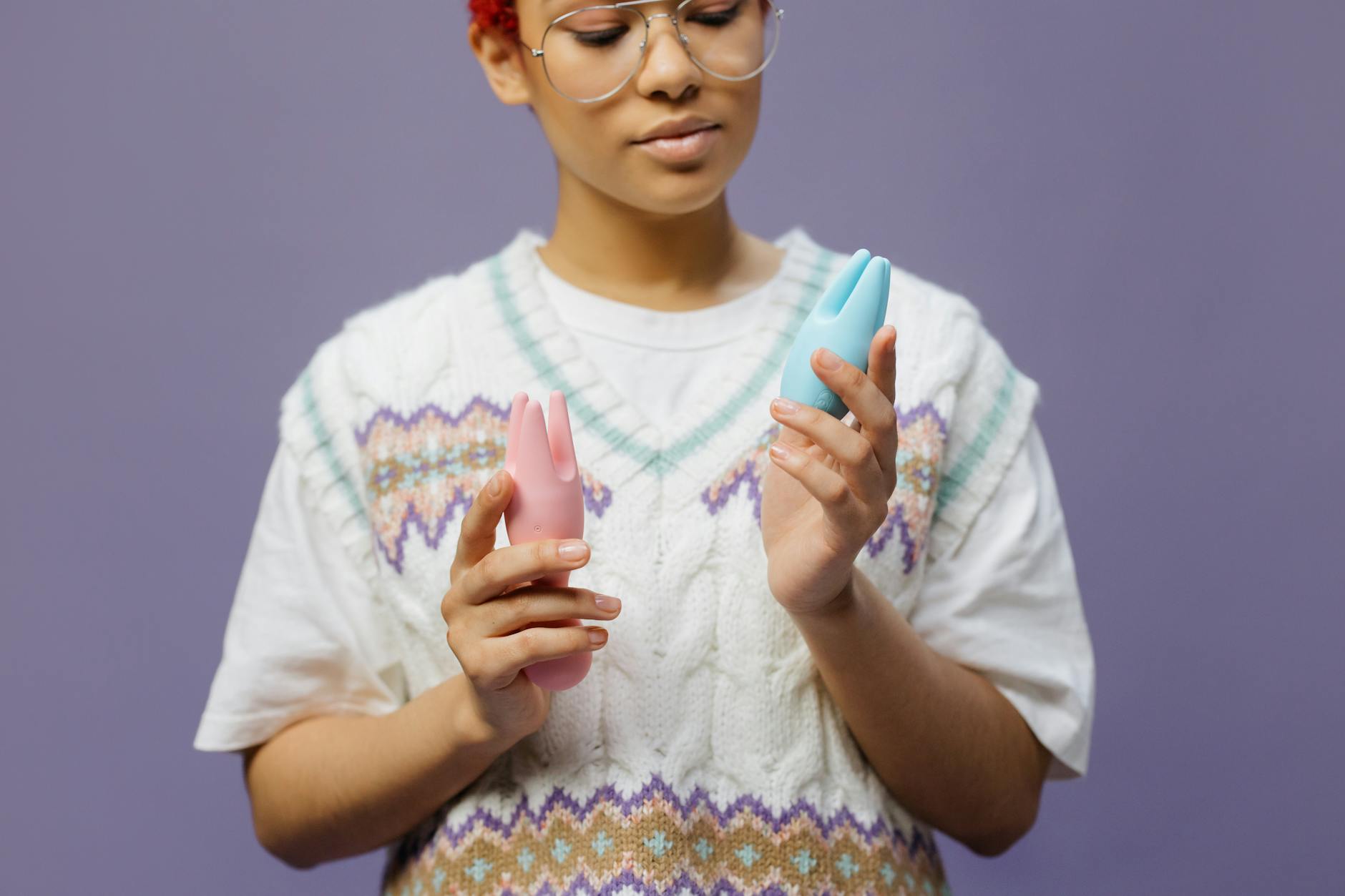
The answer is complicated, but the tools to work with it are concrete. A clitoral vibrator like the Lemon can be part of reclaiming pleasure even when birth control has muted your natural arousal.
How birth control messes with desire
Three mechanisms are at work:
Testosterone suppression. Birth control pills increase sex hormone binding globulin (SHBG), which binds to testosterone and makes it unavailable to your brain and body. Testosterone isn't just a male hormone. It's a major driver of desire in people with ovaries. Lower testosterone means lower baseline arousal.
Dopamine fluctuation. The hormones in birth control can blunt dopamine signaling, which is the neurotransmitter responsible for motivation and reward. Less dopamine means sex feels less appealing, less urgent, less rewarding.
Vaginal changes. Some birth control methods thin vaginal tissue and reduce natural lubrication. When your body doesn't respond to stimulation the way it used to, the feedback loop breaks. No lubrication means less pleasure means less desire.
The cruel part: your brain knows you should want sex, but your body isn't sending the usual signals. That disconnect is real and it's not your fault.
Why the Lemon works differently when desire is low
A traditional vibrator requires you to feel aroused enough to engage. You have to want to use it. When desire is suppressed, that's a barrier.
The Lemon's suction technology works on a different circuit. Instead of vibration that requires you to be somewhat already-aroused, suction stimulates nerves through pressure and rhythm. It can trigger arousal responses even when baseline desire is flatlined. You don't need to feel like sex first. The sensation itself often builds desire as you go.
I tell clients: think of it like priming a pump. You're not starting with desire and working toward orgasm. You're starting with sensation and letting arousal build from there.
Practical steps to use a lemon vibrator when birth control killed your libido
Start with solo sessions, not partnered pressure. When a partner is waiting for you to "get interested," the pressure flattens desire further. Block 20 minutes alone with the Lemon. No expectations. No goal except to notice what feels good. This removes the performance component that kills pleasure when you're already disconnected.
Use the lowest intensity setting first. Birth control flattens sensitivity in some people. Start at pattern 1 or 2, not the middle settings. Let your body acclimate to sensation. Turn it up only after a few minutes if you want more intensity.
Schedule it, don't wait for spontaneous desire. Spontaneous desire often doesn't return while you're on hormonal birth control. Responsive desire (arousal that builds through touch and attention) usually does. Put it on your calendar like any other self-care. Tuesday evening. Sunday morning. Doesn't matter when, as long as it happens.
Combine it with something that historically turned you on. Read erotica. Listen to an audio story. Watch content that used to work for you. You're trying to rebuild the neural pathway between sensation and arousal, and external stimulus helps.
Give yourself at least four weeks. Pleasure is a skill you rebuild, not a switch you flip. Most people notice a shift in how their body responds after three to four weeks of regular solo use. Orgasms might feel different at first. Weaker. Delayed. That's normal. They often intensify as your nervous system recalibrates.
When to have the conversation with a partner
If you're in a relationship, your partner needs to understand this isn't about them. Birth control affecting libido isn't a sign you're less attracted. It's not a relationship problem masquerading as a physical one.
Here's what helps: separate the two conversations. "My body is responding differently to the hormones in my birth control" is one topic. "I want us to stay connected" is another. Talk about the first one medically. Talk about the second one emotionally. Don't let them become the same conversation or both collapse.
Some partnerships benefit from exploring the Lemon together during these phases. It takes pressure off the person with low desire because it's not about whether they "want" their partner in the traditional sense. It's about using a tool to rebuild sensation and response. That can feel less fraught than partnered sex when libido is suppressed.
Whether to switch birth control
Some birth control methods tank libido more than others. Hormonal IUDs release synthetic hormones directly into your bloodstream. Some pills suppress testosterone more aggressively than others. Progestin-only pills affect different people differently.
If your libido completely disappeared within weeks of starting a method, and you've given it three months with no improvement, talking to your doctor about alternatives is fair. But it's worth knowing that switching methods doesn't guarantee your desire returns immediately. The new method still has hormones. Adjustment takes time.
Non-hormonal options exist (copper IUDs, barrier methods, permanent options), but those come with their own trade-offs. The point: low libido from birth control is a legitimate reason to revisit your contraception, but it's not a quick fix. Work with a clitoral vibrator like the Lemon while you figure out whether switching makes sense.
The pleasure you're protecting
Here's what most doctors don't tell you: people who stick with birth control despite libido changes aren't choosing between "no sex drive" and "sex drive." They're choosing between hormonal contraception and other forms of prevention. The libido change is real, but the choice to stay on it is usually about access to reproductive autonomy, not about accepting a sexless life.
Rebuilding pleasure while you're on birth control is work. It requires intention instead of spontaneity. It requires tools and sometimes scheduling and talking about things that feel awkward. But it's possible, and it's worth doing.
The Lemon can be part of that practice because it works with your body's current wiring instead of fighting against it. You're not trying to feel desire the way you did before the hormones. You're building a new version of pleasure that works with your current neurochemistry.
That's not settling. That's pragmatism, and honestly, it often leads somewhere better.
FAQ
Will my libido come back if I stop birth control?
Sometimes, but not always immediately. Some people's desire returns within weeks of discontinuing hormonal contraception. Others take months. And some people discover their low libido was never about the birth control at all. If you're considering stopping for this reason, track your desire for at least a few weeks before switching to see if the birth control is actually the cause or if something else (stress, relationship issues, depression) is playing a role.
Can I use a lemon vibrator while I'm still on birth control that's suppressed my desire?
Absolutely. In fact, that's the whole point. Using a clitoral vibrator like the Lemon while you're on birth control can help rebuild your body's responsiveness to stimulation and retrain your arousal pathways. It's not about waiting for your desire to return naturally. It's about actively rebuilding pleasure with the tools available to you right now.
Does the Lemon work better than a traditional vibrator if birth control killed my libido?
For some people, yes. The suction mechanism can trigger arousal responses without requiring you to feel desire first. That said, different bodies respond to different stimulation. Some people find that the intensity of a lemon vibrator's suction is what finally gets them feeling something. Others need the gentleness of a different approach. Experiment and notice what builds sensation for your body specifically.
Should I tell my partner that birth control is affecting my libido?
Yes, but frame it clearly. This isn't "I'm not attracted to you anymore." This is "My hormones are suppressed and my body isn't responding the way it used to, and we can work through this together." Many couples benefit from using a clitoral vibrator together during this phase because it takes pressure off both partners and focuses on sensation instead of desire.
How long before I feel a difference in my libido or pleasure response?
Three to four weeks of regular solo use is a realistic timeline for noticing shifts. Your nervous system needs time to relearn how to respond to stimulation under the influence of hormonal contraception. Some people feel a difference faster. Others take longer. Consistency matters more than intensity. Using the Lemon twice a week for a month will likely show results faster than using it once and waiting for spontaneous desire to return.
What if using a vibrator doesn't bring my libido back?
Then the birth control might not be the whole story. Depression, stress, relationship disconnection, past trauma, and medical conditions all suppress desire independently of hormones. If you've been using a clitoral vibrator consistently for two months and still feel completely flat, that's worth discussing with a therapist or doctor who specializes in sexual health. You might benefit from reconnecting with your body in other ways before focusing on pleasure specifically.
The bottom line
Birth control suppressing your libido is a real side effect, not a character flaw. And you don't have to choose between contraception and pleasure. A clitoral vibrator like the Lemon can help rebuild sensation and responsiveness even while you're managing suppressed desire. Give yourself permission to use it regularly, solo, without pressure, and watch what your body learns over time. Most of the time, pleasure returns. Sometimes it just looks different than it did before.